How to Whiten Yellowed Rubber Soles with Toothpaste: Does It Really Work?
As an Amazon Associate we earn from qualifying purchases. Some links on this page are affiliate links, which means we may earn a small commission if you make a purchase.
Toothpaste might help if your soles have light surface yellowing from regular wear that you clean anyway. But if the discolouration has gone deep amber, skip straight to the method that tackles oxidation at its source.
This article explains exactly why your soles yellowed in the first place, what toothpaste actually does to rubber, and the better alternatives if you want a result that lasts.
Understanding Why Soles Turn Yellow
Rubber soles yellow because of oxidation. The material is exposed to UV light and air over time, and a chemical reaction occurs within the rubber compound itself — not just on the surface. It’s a bit like a white t-shirt left drying on the line in summer: it fades and yellows from UV exposure, not because it picked up dirt. The rubber’s polymers are breaking down at a molecular level, and that colour shift is permanent unless you address the chemistry.
Dirt and grime accelerate the problem. Road salt, general wear, the dust that settles on everything in a British winter — all of it reacts with the rubber and compounds the yellowing. You’re often dealing with two things at once: surface grime that sits on top, and chemical oxidation built into the material. A cleaner that only handles the surface will never fully fix what’s happened underneath.
The rubber compound itself matters too. Some sole materials are more prone to yellowing than others. EVA foam (common in running shoes) yellows faster than solid rubber. The yellowing on a pair of white Nike Air Force 1s is a different beast to what you’d see on a hiking boot with a hard rubber sole. Knowing this matters when you’re deciding whether a cleaning hack is even the right starting point.
What Happens When You Use Toothpaste
The method most people try is straightforward: apply toothpaste to the sole with an old toothbrush, scrub, leave it a few minutes, wipe clean. Some tutorials add baking soda, some skip the waiting. The result, according to the videos, is a gleaming white sole.
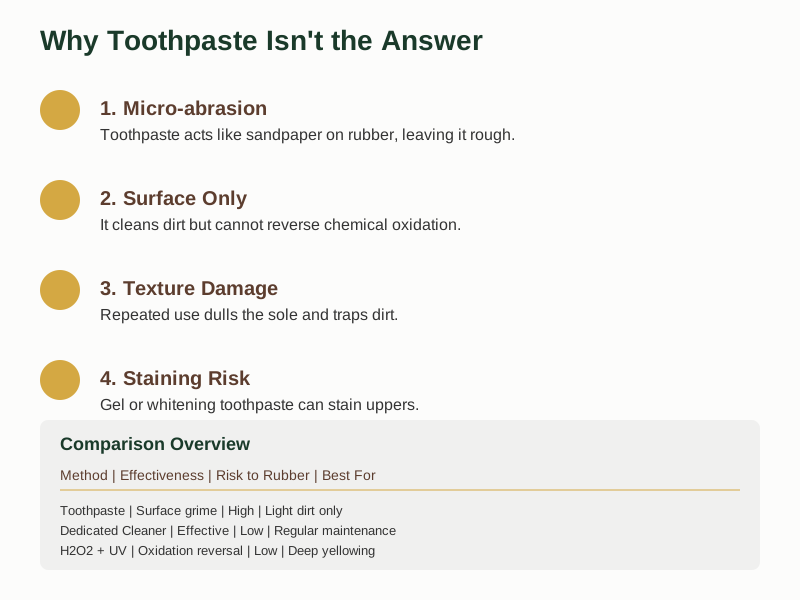
The reality is more complicated. Toothpaste contains mild abrasives — silica particles, mostly — designed to clean tooth enamel without scratching it. Enamel is hard. Rubber is softer, and its surface texture is far more easily altered. When you scrub toothpaste into a rubber sole, you’re essentially sandpapering it at a microscopic level. The toothpaste removes surface dirt, but it also leaves the sole feeling rougher and less grippy — that roughness is the signature of micro-abrasion: you’ve removed something, but you’ve also changed the surface.
The “whitening” effect you see is usually just surface grime being lifted. If your soles have picked up a layer of street dirt, toothpaste can shift that — same as any mild abrasive would. But if the rubber itself has yellowed from oxidation, toothpaste can’t fix that. You’re cleaning the surface, not reversing the chemical change in the material. The yellowing comes back as soon as the next layer of dirt settles.
What the tutorials don’t show is the long game. Repeated abrasion smooths the surface texture over time. Rubber that’s been micro-scratched regularly becomes duller, not brighter. The soles look fine immediately after cleaning, but six months later they’ve yellowed faster than they would have otherwise, and now they’re also harder to clean because the smooth surface traps dirt differently.
There’s also the risk of the toothpaste affecting the shoe material adjacent to the sole. Gel toothpaste, whitening toothpaste with added chemicals, or anything with colourants can stain or damage the upper on suede trainers or leather shoes. The tutorials always show the sole being worked on in isolation. Real life involves splashes, drips, and toothbrush bristles that don’t stay where you put them.
The Verdict on Toothpaste Safety
Toothpaste is not a safe whitener for rubber soles. It carries a high risk of damaging the surface texture, and it doesn’t actually fix the oxidation that causes yellowing in the first place.
The mechanism is straightforward — silica abrasives in toothpaste are too coarse for rubber. They micro-scratch the surface, which might temporarily look cleaner but gradually makes the rubber duller and more prone to trapping dirt. Guidance from professional shoe care sources advises against using toothpaste, baking powder, or bleach on shoe soles, noting these substances are either too abrasive or too harsh for rubber compounds.
For deep yellowing — where the discolouration is genuinely in the material rather than on it — hydrogen peroxide and UV light are commonly used to start reversing the oxidation. Toothpaste doesn’t contain either. It’s a surface scratch tool, not a whitener. If your soles have yellowed significantly, no amount of scrubbing with toothpaste is going to bring them back.
Toothpaste might work if your sole yellowing is almost entirely surface grime — if you’ve barely cleaned your trainers and there’s a visible layer of dirt contributing to the dull look. In that narrow case, a one-time gentle clean with toothpaste probably won’t do lasting damage. But if the yellowing is oxidation, you’re wasting your time and risking the sole texture for a result that won’t last.
Better Alternatives Available in the UK
If you want to actually restore white soles without damaging the rubber, there are dedicated sneaker cleaners that do the job properly. These are formulated to lift dirt and light oxidation without abrading or discolouring the material.
Jason Markk Essential Kit (paid link) is a two-piece cleaner and brush for trainers. It lifts surface grime. It does not reverse deep oxidation in the sole, and the brush is a routine brush rather than a specialist sole tool.
See Jason Markk Essential Kit on Amazon → (paid link)
Reshoevn8r Essential Kit (paid link) is a sneaker and leather cleaner set. It is the right tool for everyday dirt. It will not shift oxidation that has built up over months.
View Reshoevn8r Essential Kit on Amazon → (paid link)
Angelus Easy Cleaner (paid link) has strong cleaning power for use on rubber, canvas, and leather. The catch is that it needs caution on suede — that same strength can damage delicate materials — so if your trainers are suede, this isn’t the first choice. On rubber soles, it’s genuinely effective and good value.
See Angelus Easy Cleaner on Amazon → (paid link)
The thread that runs through all of these: they’re formulated for the material. Sneaker cleaners are designed to clean rubber without altering its surface texture. Toothpaste is designed for enamel. You’re paying for something that actually works on the material you’re treating.
If you’re looking after suede trainers too, a dedicated suede brush and cleaner are worth having alongside a rubber sole cleaner.
How Toothpaste Changes Rubber Over Time
Scrubbing with toothpaste alters the rubber’s surface. The silica particles create micro-scratches that, over time, smooth the texture and make it duller. This isn’t just a cosmetic issue — a smoother surface can trap dirt more easily, making the soles look dirty faster and become harder to clean properly. So while a single use on a lightly soiled sole might not cause immediate harm, repeated use accelerates the problem you’re trying to solve.
Comparing Cleaning Methods for Rubber Soles
| Method | Effectiveness | Risk to Rubber | Best For |
|---|---|---|---|
| Toothpaste | Removes surface grime | High (micro-abrasion) | Light dirt only |
| Baking Powder | Mild abrasive | High (texture damage) | Not recommended |
| Bleach | Harsh chemical | Very High (discolouration) | Not recommended |
| Dedicated Cleaner | Effective cleaning | Low (gentle formula) | Regular maintenance |
| Hydrogen Peroxide + UV | Reverses oxidation | Low (if used correctly) | Deep yellowing |
Common Questions About Sole Whitening
Can I use bleach on yellow soles?
No. Bleach is too harsh and will discolour the rubber rather than restore it. It can also weaken the rubber compound, making it brittle and prone to cracking. This isn’t a grey area — bleach damages rubber soles, full stop.
Will baking powder work better than toothpaste?
No. Baking powder is alkaline and abrasive, which can damage rubber texture and cause discolouration. It’s another case where the hack is riskier than the problem warrants.
How often should I clean my trainers to prevent yellowing?
A quick clean after heavy wear — using a proper sneaker cleaner — slows down both grime build-up and the oxidation that causes yellowing. Applying a water-repellent spray as a preventative measure helps too, especially through autumn and winter when road salt and wet conditions accelerate wear.
Protecting Your Results
Whitened soles re-yellow faster without UV protection between wears. Consider using a sole dressing or simply storing your shoes away from direct sunlight to maintain the results longer. A quick wipe-down after wear also helps prevent grime build-up.
The short version: toothpaste is a high-risk, low-reward hack for yellowed rubber soles. It can shift surface dirt but risks damaging the rubber texture permanently, and it doesn’t fix oxidation that’s built into the material. For anything beyond light grime, it isn’t worth the bother.
If your trainers are worth keeping, a dedicated sneaker cleaner is the honest investment. It’ll do the job properly without the risk, and a single bottle lasts for dozens of cleans, so the cost per use is small.
Now you know what’s actually happening to your soles and what actually works — Get the Free Suede & Leather Care Checklist to keep on top of trainer maintenance before the yellowing sets in.
Related Guides
For a complete overview, see our Why Do White Trainers Turn Yellow, Even in Storage? .
As an Amazon Associate we earn from qualifying purchases. The products linked above are ones we recommend based on independent research and owner feedback.
General guidance only, verify details with a qualified professional or official source.