How to Wash Trainers in the Washing Machine Without Ruining Them
Inside the tongue of your trainers, there’s a symbol that looks like a tub of water. If it’s crossed out, the washing machine is off-limits. If it shows a hand, you’re restricted to hand washing. This symbol is the gatekeeper for everything that follows — before considering materials or mud levels, check the label.
Trainers that survive the drum have two things in common: a care label that permits it and materials built to withstand agitation. Without both, you risk warped soles, cracked leather, and damaged foam that can’t be reversed.
Understanding Your Care Label
The care label’s washing symbol is definitive. A crossed-out tub means machine washing could damage the glue bonds, foam midsoles, or delicate materials. According to brand guidance from Nike, New Balance, and ASICS summarised in a 2026 Foot Locker UK guide, most trainers are recommended for hand cleaning only.
If the label is missing from an older pair, assume hand-wash only. The materials haven’t changed, and guessing wrong can cause structural damage a cobbler can’t fix.
These labels exist because trainers combine materials with conflicting tolerances. The foam midsole, glued to the upper, degrades under heat and prolonged water exposure. A “machine washable” label confirms the brand tested that specific construction.
Ignoring the care label risks warping the sole or damaging the upper. These aren’t just cosmetic issues — they affect how the shoe supports your foot.
Material Tolerance: What Can Survive the Drum
The label gives the brand’s verdict; the material determines physical reality. Synthetic fabrics like nylon, polyester, and canvas generally handle a cold cycle well. They don’t absorb water like animal-based materials and maintain their shape.
Leather, suede, and nubuck are different. Water causes leather to dry out and crack. Suede and nubuck’s raised fibres stain and stiffen when wet. Rubber and vinyl trims can warp under heat.
The foam midsole is particularly vulnerable. Its adhesive bond weakens with heat and agitation, which is why even some synthetic trainers come out with loose soles after a wash.
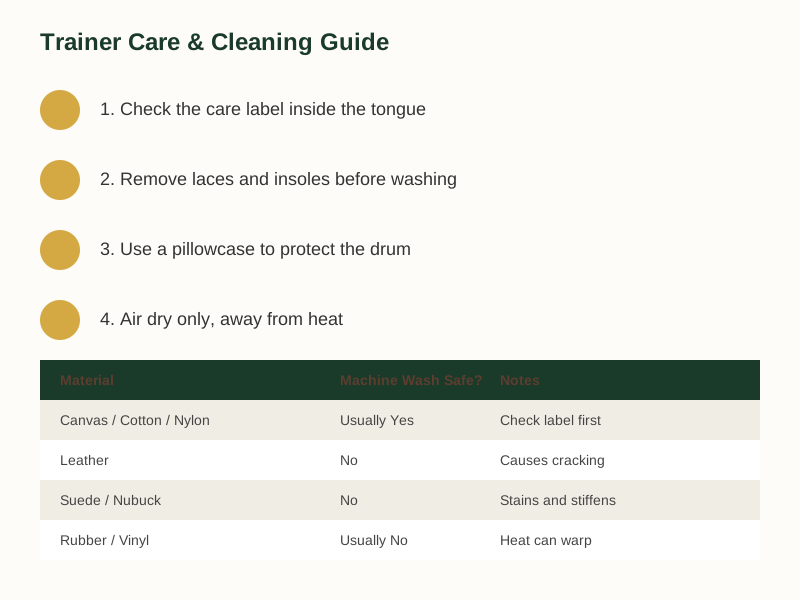
| Material | Machine wash safe? | Notes |
|---|---|---|
| Canvas / cotton / polyester / nylon | Usually yes | Verify with care label first |
| Leather (any) | No | Water leads to cracking and drying |
| Suede / nubuck | No | Water causes staining and stiffening |
| Rubber / vinyl trims | Usually no | Heat can cause warping or cracking |
Well-made canvas trainers typically withstand multiple washes, while suede and leather versions of similar styles are often damaged by a single cycle. The material difference is critical.
Step-by-Step Machine Washing Process
For trainers with a clear machine-wash symbol and suitable materials, this process minimises risk.
Remove insoles and laces first. Insoles trap moisture and can disintegrate. Laces tangle, putting stress on the shoe’s upper. Clean them separately for better results.
Brush off loose dirt. Use an old toothbrush on the outsole and upper. This prevents mud from coating the machine’s drum and gives a cleaner finish.
Place trainers in a pillowcase. A pillowcase cushions the shoes better than a mesh bag, reducing noise from rubber soles hitting the drum. Tie it loosely to allow water circulation.
Use a cold wash (30°C) with mild detergent. Non-biological detergent is safest. Avoid bleach or whitening agents, which can strip colour. One capful is sufficient.
Select a short, gentle cycle. A synthetics or delicate setting is ideal. Avoid fast spin cycles to reduce agitation. Use a trainer-specific setting if available.
Air dry away from heat. Stuff with paper towels to maintain shape. Place in a well-ventilated area, never near radiators or in direct sunlight. Heat cracks rubber and compresses foam. Drying takes one to two days. Never use a tumble dryer.
For leather or suede trainers that can’t be machine washed, a quick refresh requires different methods.
Hand Washing Alternatives
When the label prohibits machine washing — common with leather, suede, nubuck, and many synthetic blends — hand washing is the safe alternative.
For leather trainers, use a dedicated leather cleaner with a soft cloth, followed by a conditioner to replace natural oils. Skipping conditioning leads to drying and cracking over time.
For suede trainers, a suede eraser or brush lifts dirt from the nap without compression. Test any cleaner on a hidden area first to check for colour loss.
For heavy stains or structural issues, professional cleaning is the reliable option. Shoe repair specialists have the tools and expertise for damage beyond basic cleaning.
The care label’s instruction is final. Overriding it risks permanent damage that outweighs the convenience of a machine wash.
Common Questions About Washing Trainers
Can running shoes go in the washing machine?
Only if the care label explicitly permits it and they’re primarily synthetic. Running shoes often contain leather accents, delicate mesh, or adhesives that don’t tolerate machine agitation. Check the label first — if uncertain, hand wash or seek professional cleaning.
What’s the best detergent for trainers?
A mild, non-biological detergent is safest. Harsh chemicals like bleach or whitening agents can damage fabrics and degrade rubber. For hand washing, a diluted mild soap works effectively.
How should I dry washed trainers properly?
Stuff them with paper towels or a clean cloth to absorb moisture and maintain shape. Air dry in a ventilated area, avoiding radiators, heated floors, and direct sunlight. Heat causes rubber to crack and foam to compress permanently. Allow one to two days for complete drying.
Protecting Your Investment
The care label symbol and material composition are your primary guides. Correct identification makes machine washing a useful cleaning method. Getting it wrong can ruin a good pair of trainers.
Considering the care requirements before purchase helps manage expectations. Having the appropriate cleaner for each material type — leather, suede, or synthetic — is more economical than replacing damaged footwear.
Get the free Suede & Leather Care Checklist to maintain your footwear between wears.
Further Reading
For more on trainer maintenance, see Why Do Trainers Smell So Bad — And What Actually Gets Rid Of It? .
Sources & Further Reading
Note: This guidance is general. Always verify specific cleaning methods with a qualified professional or the manufacturer.