Vinegar, Dryer Sheets or Charcoal Bags: Which Smelly-Shoe Hack Actually Works
Dryer sheets do nothing to the smell’s source—they perfume the air around the problem. That leaves two contenders worth considering: vinegar for its direct bacteria-killing power, and charcoal bags for their passive absorption. The right pick depends entirely on whether you need a one-off rescue or ongoing freshness control.
Vinegar’s acetic acid genuinely disrupts bacterial cell membranes, while activated charcoal adsorbs odour molecules across its vast internal surface area. Understanding these different mechanisms makes the choice straightforward.
Our Pick
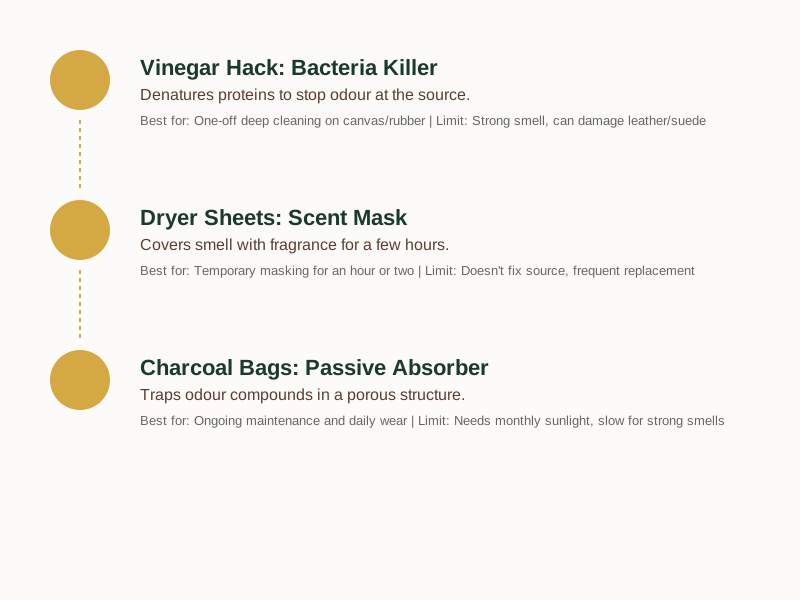
- Need to kill smell right now on hard-wearing shoes? Vinegar — it denatures bacterial proteins directly, but expect a strong smell while it works and don’t use it on suede or delicate leather.
- Want a hands-off fix for daily wear? Charcoal bags — they absorb volatile compounds passively and last for years with monthly recharging in sunlight.
- Just need to get through today? Dryer sheets — they mask the smell with perfume for an hour or two but do nothing about the source.
What’s happening inside your shoes
Shoe odour isn’t about surface dirt—it’s a biological process. Feet host microbial communities that thrive on sweat and dead skin cells. These bacteria produce volatile organic compounds as waste, creating that distinctive unpleasant aroma.
Moisture accelerates this cycle dramatically. Damp conditions keep bacterial populations active and help smelly compounds disperse. This explains why surface cleaning often fails—bacteria colonise deep within foam, stitching, and material layers where wiping can’t reach.
The three common hacks each tackle this problem differently, but only two address the underlying cause.
Vinegar: The direct approach
Vinegar works through its acetic acid content, which research shows has antimicrobial properties that can disrupt bacterial cell function. This stops the metabolic process that generates odour.
However, vinegar introduces its own strong smell that takes time to dissipate — initially it can be almost as unpleasant as the original odour.
There’s a more significant concern for quality footwear. According to Charles & Keith’s shoe care guidance, vinegar’s acidity can damage leather fibres over time, particularly with frequent use. On suede, the moisture alone can cause discolouration and alter the texture. This makes vinegar suitable for canvas trainers or rubber-soled shoes but risky for anything you value.
For established odours that need immediate attention, vinegar delivers the most direct route to the root cause. It’s a rescue treatment, not a maintenance solution.
Dryer sheets: Surface-level masking
Dryer sheets coat shoe interiors with fragrance-laced surfactants. They temporarily overwhelm your sense of smell with stronger scents, providing short-term relief from unpleasant odours.
The limitation is fundamental: bacteria continue producing smelly compounds uninterrupted. Once the fragrance fades—usually within hours—the original smell returns unchanged.
This approach serves a specific purpose: getting through a single occasion when nothing else is available. For chronic odour problems, it’s a temporary measure that addresses symptoms rather than causes.
Charcoal bags: Ongoing absorption
Charcoal bags work through adsorption, where odour molecules bond to activated charcoal’s porous structure. Science Insights notes that a single gram contains immense internal surface area—roughly 500 square metres—available to trap volatile compounds.
This differs from vinegar’s approach: instead of stopping production, charcoal removes odours after they form. For shoes stored overnight between wears, this provides genuine odour control.
The critical detail many miss: charcoal requires regular maintenance. Placing bags in direct sunlight for several hours each month releases accumulated compounds and restores effectiveness, as multiple sources confirm. Without this step, saturation occurs and effectiveness drops.
While exact UK pricing varies, charcoal deodorisers represent reasonable value given their multi-year lifespan with proper care. For daily wear maintenance, they’re the most practical option.
Charcoal’s limitation is its preventive nature—it reduces existing odours gradually rather than eliminating them instantly like vinegar can.
Choosing your approach
The right hack depends entirely on your specific situation and footwear type.
Vinegar suits one-off deep cleaning on durable materials like canvas or rubber. When odour is established and overwhelming, it attacks the bacterial source directly. Avoid using it on leather or suede where acidity and moisture risk damage.
Charcoal bags work best for everyday maintenance. If you wear the same pair frequently, leaving a bag inside overnight provides passive odour control with minimal effort beyond monthly recharging. For leather boot owners wanting to maintain freshness between wears, this is the most sensible long-term solution.
Dryer sheets serve only as temporary measures when other options aren’t available. They mask smells for short periods but don’t address underlying causes.
The fundamental solution none of these provide is proper drying. Moisture sustains the bacterial cycle, so ensuring shoes dry completely between wears remains essential. Cedar shoe trees help absorb moisture while adding mild scent.
Comparison at a glance
| Hack | How it works | Best situation | Key limitations |
|---|---|---|---|
| Vinegar | Kills bacteria directly | Emergency cleaning on sturdy materials | Strong temporary smell, risks damaging leather/suede |
| Dryer Sheets | Masks odour with fragrance | Short-term solution for immediate needs | Doesn’t address cause, requires frequent replacement |
| Charcoal Bags | Absorbs odour molecules | Ongoing maintenance for regular wear | Needs monthly sunlight recharging, slow for strong smells |
Common questions answered
Is overnight vinegar treatment safe?
While possible, expect strong vinegar odour the next day. It’s not recommended for suede or finished leather—moisture and acidity can cause discolouration and fibre damage. For canvas or mesh trainers, a diluted solution applied sparingly and allowed to dry completely works as a one-off treatment.
How effective are charcoal bags really?
They work through adsorption of volatile compounds and moisture, genuinely reducing odour over time. The essential requirement is monthly recharging in direct sunlight for several hours to restore effectiveness. Without this maintenance, they saturate and stop working.
Why does odour return after cleaning?
Surface cleaning often misses bacteria deep within insoles, foam midsoles, and stitching. Moisture trapped in these layers keeps bacterial populations active even when surfaces appear clean. Thorough drying between wears, using cedar shoe trees, and targeted insole treatment actually break the cycle.
Combining approaches safely
Vinegar followed by charcoal bags creates an effective one-two punch: kill the bacteria then maintain freshness. However, combining vinegar with dryer sheets is counterproductive—you’re adding fragrance to an already strong vinegar smell. Charcoal bags work well alongside proper drying habits for comprehensive odour control.
For deeper understanding of shoe odour mechanisms, see our complete overview: Why Do Trainers Smell So Bad — And What Actually Gets Rid Of It? .
References
- NHS information on foot care
- Charles & Keith shoe care guidance
- Science Insights on activated charcoal
Note: General guidance only, verify details with a qualified professional or official source.