Can You Use Household Items to Clean Suede, or Will It Ruin Them?
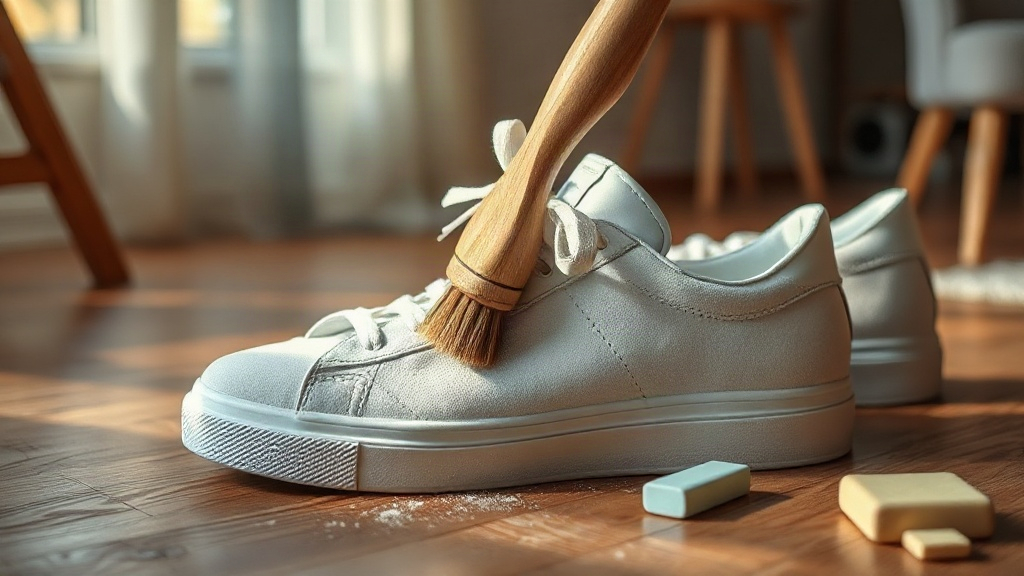
Plain water on a cloth is the most dangerous household item for suede — it’s the basis of nearly every internet hack and the one most likely to cause permanent staining because it swells the fibres unevenly. The reason it appears in so many recipes is simple: water is free, immediate, and seems harmless enough. That apparent harmlessness makes it the perfect trap for ruining good suede.
Our Pick
- For light maintenance and regular care A dedicated suede brush and suede eraser are the safest route — no moisture, no residue, no risk of darkening. They'll handle most scuffs and surface dirt on suede trainers and suede boots without any liquid at all.
- For light stains where you want to try a household item first White vinegar diluted 1:2 with water, applied sparingly with a clean cloth and blot-dried immediately — but expect temporary darkening while it dries, and accept that it's a calculated risk on lighter-coloured suede.
Understanding Suede’s Vulnerabilities
Suede differs from smooth leather because it comes from the underside of the hide, where fibres are buffed to create a soft, napped texture. This nap gives suede its distinctive feel but also makes it trap dirt and oils in ways smooth leather doesn’t.
When you clean suede, you’re working across those fibres. The direction and pressure of your movement matter significantly. Push too hard or in the wrong direction and you’ll flatten the nap, creating shiny, worn-looking patches. Introduce moisture and you risk permanent texture changes — fibres swell, dry unevenly, and leave areas that no longer match the rest of the material.
Most household cleaning methods involve liquid applied with enthusiasm. Vinegar, baking soda paste, diluted washing-up liquid — they all introduce moisture to a material that actively resists it. Once dirt is worked deep into the fibres, you may only succeed in embedding it further, potentially requiring professional cleaning that can be expensive.
The proper sequence for suede care starts with dry brushing, followed by a suede eraser for marks, then spot-cleaning with the gentlest method if necessary. Finishing with a suede protector spray before the next wear provides ongoing protection. Jumping straight to vinegar or other liquids means starting at the riskiest part of the process.
Deliberately adding water to suede — whether through misguided cleaning attempts or wearing it in rain — can cause visible staining that’s difficult to reverse.
Assessing Common Household Cleaning Options
Here’s a realistic evaluation of the main household items people try on suede, explaining why some pose more risk than they appear to.
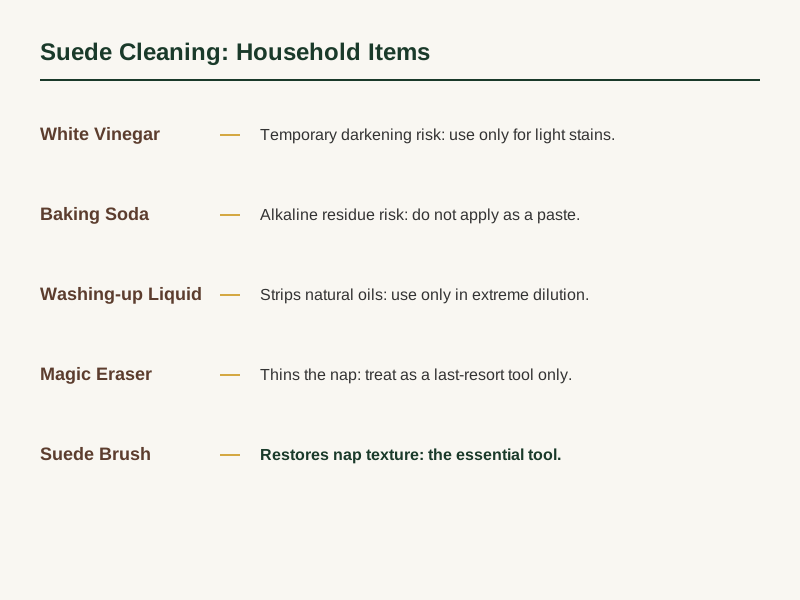
White vinegar (diluted 1:2 with water): Vinegar’s acidity can break down certain stains and it evaporates without leaving residue — genuine advantages. The drawback is moisture. Even when diluted, vinegar will temporarily darken suede as it soaks in. On lighter-coloured trainers or boots, this darkening is particularly noticeable. If drying occurs unevenly — something that can happen in any heated indoor environment — you might end up with a patch that looks worse than the original stain. Those who use vinegar successfully typically have dark-coloured suede where temporary darkening isn’t visible, and they blot it dry immediately rather than letting it soak.
Baking soda: In its dry powder form, baking soda absorbs oils and light surface grime without wetting the fibres. This makes it genuinely useful for the inside rim of trainers where foot sweat accumulates. The critical rule is to never make a paste. A baking soda paste leaves an alkaline residue that hardens into a grey crust as it dries, and that crust is significantly harder to remove than the original mark. Instances of ruined suede from baking soda paste demonstrate how the paste appears effective while wet, but by the time it dries and the grey crust forms, the damage is already done.
Washing-up liquid: When heavily diluted with water, washing-up liquid can lift dirt with minimal chemical impact. However, high concentration is the danger — the surfactants that cut grease on dishes will strip natural oils from suede fibres just as effectively, leaving the material stiff and prone to discolouration. If you try this method, the dilution ratio matters more than most people realise.
Magic eraser (melamine foam): This works on surface scuffs by mechanically abrading the stain, without using liquid. The catch is that the same abrasion that removes the scuff will thin the nap if overused. A few gentle dabs on a stubborn mark is acceptable; scrubbing the entire shoe is not. Consider it a last-resort tool rather than a routine cleaner.
Suede brush: While not a traditional household item, this is the one tool that genuinely earns its place in every suede care routine. A suede brush can work cleaning products into the surface without damaging the material, restore the nap after cleaning or wetting, and remove loose dirt before anything else touches the suede. Most suede product labels recommend brushing as the first step for good reason.
The honest assessment: household items are conditional tools, not reliable solutions. Vinegar and baking soda each have specific uses but carry risks that make them unsuitable as default cleaners. The suede brush is the tool that performs multiple functions safely.
Step-by-Step Suede Cleaning Method
This approach uses the safest household-friendly techniques alongside the tool that makes the biggest difference. You can omit the vinegar step entirely if the stain is light — brushing alone often handles surface marks on suede trainers.
Step 1: Dry brush. Use a suede brush to remove loose dirt and begin restoring the nap. Brush briskly in one direction — not back and forth — working from the top of the shoe downward. This simple step resolves many light marks on suede boots and trainers.
Step 2: Suede eraser for stubborn marks. Run a suede eraser over any remaining marks before considering liquid. The eraser crumbles slightly as it works, lifting stains from fibres without introducing moisture. It’s not a miracle fix, but it’s the step many people skip and later regret.
Step 3: Spot-clean with diluted vinegar if necessary. If brushing and erasing haven’t sufficed, dampen a clean cloth with white vinegar diluted 1:2 with water. Blot the stain — don’t rub — and immediately blot with a dry cloth to remove moisture. Let the suede air dry completely before proceeding. Avoid heat sources and hairdryers — direct heat can set moisture damage rather than preventing it.
Step 4: Re-brush. Once the suede is fully dry, brush again to restore the nap texture. This step brings back the soft, even surface and counteracts any flattening that occurred during cleaning.
Now you understand the process — Get the Free Suede & Leather Care Checklist to maintain the correct steps for every pair you own.
When Professional Cleaning Becomes Necessary
Two situations warrant professional intervention, regardless of your preference to avoid the cost.
The first is heavy staining — oil marks that have set for weeks, ink, dye transfer from dark fabrics, anything that has penetrated deep into the fibres. At this point, the stain has bonded with the suede in ways that spot-cleaning may fail to address or could worsen. Professional suede cleaners have solvents and techniques unavailable to household users, and they’ll assess whether the suede can be salvaged before attempting treatment.
The second is water damage that has altered the suede’s texture across a large area. If the entire shoe looks different after getting wet — flattened nap, stiff patches, uneven colour — brushing won’t restore it. A cobbler or specialist cleaner can often retexture suede using controlled steam and brushing, but this isn’t something to attempt at home.
Professional cleaning costs vary, but it’s worth obtaining a quote before investing in specialist products that may not work on your level of damage. For expensive suede items — leather jackets with suede panels, quality suede boots — the professional route often proves more economical long-term.
Common Questions About Suede Care
Is machine washing suede ever acceptable?
No. Never put suede in a washing machine. The agitation, water volume, and detergent cause irreversible fibre damage, shrinkage, and discolouration. Even a gentle cold cycle will destroy the nap on suede trainers. If an item is labelled machine washable, it isn’t genuine suede.
Can standard leather cleaner be used on suede?
No. Standard leather cleaners are formulated for smooth leather, which has a very different surface structure from suede. They can strip fibres of natural oils, cause discolouration, and leave residue on the napped surface that’s difficult to brush out. Suede requires suede-specific products or the gentlest household methods described earlier.
What removes yellow stains from white suede?
Yellow staining on white suede often results from oxidation rather than surface dirt — similar to the process that yellows white leather over time. This makes it a different cleaning challenge than marks sitting on top of fibres. A suede eraser can reduce surface yellowing, but deeper oxidation may require professional recolouring or panel replacement. Applying a suede protector spray before first wear is the most effective preventive measure.
Comparing Household Item Effectiveness
| Item | Best Use | Main Risk | Verdict |
|---|---|---|---|
| White Vinegar (1:2) | Light stains | Temporary darkening, uneven drying | Conditional use only |
| Baking Soda | Surface grime inside trainers | Alkaline residue, grey crust | Do not make a paste |
| Washing-up Liquid | Light dirt lifting | Strips natural oils if too concentrated | Use extreme dilution |
| Magic Eraser | Surface scuffs | Thins the nap if overused | Last-resort tool |
| Suede Brush | Routine maintenance | None (if used correctly) | Essential tool |
Making Safe Choices for Suede Care
A suede brush and suede eraser handle most day-to-day cleaning needs for suede trainers and boots, making them worth owning. Vinegar and baking soda have narrow, conditional applications — but they’re not the reliable everyday solutions the internet often presents. If a stain persists after brushing and erasing, consider whether professional cleaning makes more sense than further DIY attempts.
The most common mistake in suede care is treating it like smooth leather with extra steps. It isn’t. The nap defines suede’s appearance and feel, and every cleaning decision should prioritise protecting it. Applying a suede protector spray before first wear is the step many people omit and later regret.
If you’re ready to establish a proper suede care routine, get the free suede and leather care checklist — it covers what to use, when to use it, and what to avoid.
Only two household items are genuinely safe for suede: a dry suede brush and a clean, dry cloth. Even these become risky if used on damp suede or with excessive pressure. For comprehensive guidance, see our detailed article How to Clean Suede Trainers at Home Without Ruining Them .
Sources & Further Reading
Note: General guidance only, verify details with a qualified professional or official source.