Suede Protector Spray: Does It Actually Work, or Is It Marketing?
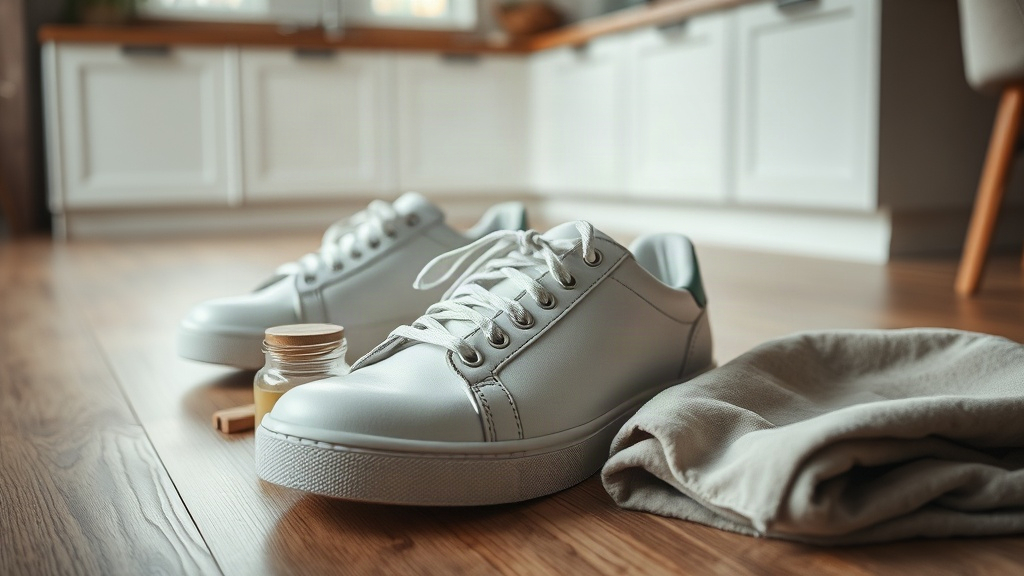
Watch a water droplet hit a freshly treated suede patch and it will bead, sitting almost spherical on the surface. On untreated suede, the same droplet flattens and soaks in within seconds—a visible difference that shows the chemistry does work under controlled conditions. Real-world use, however, introduces variables the lab test doesn’t.
As an Amazon Associate we earn from qualifying purchases. Some links on this page are affiliate links, which means we may earn a small commission if you make a purchase.
You’ve just bought a pair of suede boots and want to keep them looking new. You grab a can of suede protector spray, give them a quick blast, and head out. Three weeks later, a coffee spill leaves a dark, permanent ring. The spray didn’t save them—and that might be because of what you did before you sprayed.
The protector spray market makes a straightforward promise: spray your suede, stop it staining. That’s mostly true. But it misses a precondition the marketing doesn’t tell you, and it’s the one thing that determines whether the spray works at all. This article explains what’s actually happening when suede protector spray does its job—and why it fails more often than the label suggests.
The short version: protector spray only works on clean, dry suede. Most people spray dirty suede, seal the grime in, and end up with a stain that’s harder to remove than if they’d never sprayed at all. Here’s why, and how to do it properly.
How Suede Protector Works: The Science Behind the Spray
Suede protector spray adds a Durable Water Repellency (DWR) layer to the surface. It works by bonding a thin fluoropolymer film to the nap fibres, creating a barrier that slows water and oil from soaking in. Nikwax, one of the more transparent manufacturers, describes it explicitly as a water-repellency treatment, not a waterproof one.
The distinction matters. Waterproof means nothing gets through. Water-repellent means the material resists soaking, but heavy rain will still penetrate eventually. If you’ve ever had suede boots that felt damp inside after a sustained downpour even though you’d sprayed them, that’s the difference—the spray held off the initial absorption but the fabric was never designed to be a shell.
What protector sprays do well:
- Slow water absorption in light to moderate rain
- Give you time to wipe a spill before it sets
- Reduce the amount of liquid the nap fibres actually absorb
What they don’t do:
- Make suede waterproof
- Prevent stains if the suede is already dirty when you spray
- Stop oil penetrating if the formula doesn’t specifically target oil (check the label—not all do)
A comparison helps clarify the limits:
| What it does | What it doesn’t |
|---|---|
| Slows water absorption | Stops heavy rain from soaking through |
| Repels light spills on clean suede | Repels stains on dirty suede |
| Maintains breathability if applied correctly | Works if the suede is damp when you spray |
Nikwax Nubuck & Suede Proof (paid link) is formulated to preserve the breathability of Gore-Tex-lined footwear specifically—which is the job when you’re trying to keep functional walking boots performing as designed. Nikwax’s own guidance is clear: it’s a DWR treatment, not a sealant.
View Nikwax Nubuck & Suede Proof on Amazon → (paid link)
Choosing the Right Type of Spray
Protector sprays broadly fall into three categories, each designed around a different priority. Knowing what you’re buying matters more than the brand.
Water-repellency focused (Nikwax Nubuck & Suede Proof (paid link))
These sprays are built around maintaining the breathability of waterproof membranes like Gore-Tex or eVent. Nikwax’s formulation is water-based and explicitly designed to be renewed when the DWR layer wears off. If you’re treating walking boots or active footwear with a breathable membrane, this is the right category. The trade-off is that these sprays don’t prioritise stain resistance—they’re solving a different problem.
Dual water-and-oil protection (Grisport Footwear Protector)
Grisport sits in the middle ground. Their spray claims to protect against both water and oil penetration while maintaining breathability, with an invisible finish that doesn’t alter the look or feel of the material. For urban wear—the commute, the school run, the lunch-hour coffee spill on suede trainers—this combination matters more than it does for someone in waterproof boots on a muddy trail. The oil-resistant element is the distinguishing feature, and it’s the one most likely to let you down if you don’t clean the suede first.
Stain-resistance focused (Furniture Clinic Suede Protector)
These sprays lead with stain repellency—the claim is that they hold dirt and grime on the surface rather than letting it sink into the nap. They’re water-based and designed for use on suede shoes, bags, clothing, and furniture. The implication of “holds dirt on the surface” is worth examining: if dirt is already in the fibres when you spray, you’re sealing it there rather than preventing it from getting in.
The Critical Precondition Most People Miss
Here’s the thing the product pages don’t tell you: suede protector spray bonds to the nap fibres. It forms a film across the surface of the suede. If there’s dirt, dust, or existing marks in those fibres when you spray, the film seals them in. The barrier that was supposed to protect the suede ends up protecting the grime.
This isn’t a theory—it’s how the mechanism works. Fluoropolymer films are designed to create a continuous, bonded layer. They can’t distinguish between a clean fibre and a dirty one. Spray dirty suede and you’ve got a permanent stain with a waterproof coating over it.
The pattern is a familiar one: spray your suede trainers, something spills later, try to clean it, and the mark won’t budge. The assumption is that the spray failed. More often, the spray worked exactly as designed—it just locked in what was already there.
It’s common for people to apply protector spray as a one-time treatment at the point of purchase, without cleaning the suede first. The thinking is logical enough—you’re protecting new shoes, so you spray them before wearing. But shoes collect dust in the shop, in transit, and on the first wear before you get home to spray. By the time the can comes out, the suede isn’t clean.
The solution is simple but it’s the step the marketing skips: clean the suede thoroughly before you spray anything.
This means using a suede eraser to lift surface marks, brushing with a suede brush to restore the nap, and ensuring the material is completely dry before you apply any spray. It takes ten minutes. It’s the difference between a treatment that works and one that makes things worse.
Proper Application Method
The clean-first rule is the foundation. Everything else follows from there.
Step 1: Clean thoroughly
Use a suede eraser on any visible marks or scuffs. Then brush the entire surface with a suede brush to lift the nap and remove any loose dirt the eraser didn’t catch. If the suede has mud or significant grime, let it dry completely first—brushing wet mud pushes it deeper into the fibres—then brush it out once dry. This stage matters more than the spray itself.
Step 2: Dry completely
The suede must be fully dry before you spray. Any moisture in the fibres will be trapped there when the film bonds, potentially leading to water marks or damage inside the material over time. If you’ve just cleaned the suede, leave it overnight in a well-ventilated space.
Step 3: Apply evenly
Hold the can a hand’s width or two away from the suede — check your specific product’s label for the exact distance. Spray in light, even coats rather than one heavy layer. Work in a well-ventilated space—the solvents in some sprays are potent. Cover the entire surface, including areas that might be hidden under a tongue or collar, because those spots still absorb moisture.
Step 4: Let it dry
Most sprays need a reasonable stretch of drying time to bond to the fibres before they start working. Check the can for the specific guidance for your product. Don’t rush this—putting damp shoes on too early means the film hasn’t set properly.
Step 5: Know when to reapply
The DWR layer breaks down with use and exposure. If water stops beading off the surface and starts soaking in instead, it’s time to reapply—and clean first before you do. The frequency depends on wear; daily use in wet conditions will require more frequent reapplication than occasional wear. This applies to all suede items, including jackets, where the same clean-first rule is essential. Test a small area first on lighter-coloured suede, as some sprays can slightly darken the material. Most sprays are also suitable for nubuck, which has a similar fibre structure. Crucially, applying spray to wet suede can lead to patchy protection and trap moisture inside; the suede must be fully dry before application.
Now you know what to do—Get the Free Suede & Leather Care Checklist to keep the steps in one place.
Making the Right Choice for Your Needs
This depends on what you’re protecting and where.
For breathable walking boots with a Gore-Tex or eVent membrane, Nikwax Nubuck & Suede Proof is the consistent recommendation. It works with the membrane rather than against it, and the renewal formula means you’re not building up layers of product over time. It’s a go-to choice for maintaining breathability on waterproof hiking footwear without sacrificing water resistance. Budget-wise, a single can covers several pairs and lasts most people the better part of a year.
For urban suede—trainers, boots, everyday shoes—Grisport Footwear Protector covers both water and oil, which matters in a city context where coffee, rain, and road grime all present different challenges. The invisible finish means it doesn’t alter the look of lighter-coloured suede the way some thicker sprays can. If you’re protecting a pair of suede boots you’ll wear to the office through autumn, this is the more practical choice.
For suede bags, jackets, or furniture where stain resistance is the priority, Furniture Clinic’s suede protector is designed for exactly this. It holds surface grime on top of the nap rather than letting it sink in—but again, only if the suede is clean when you apply it.
The honest answer is that none of these is a magic shield. They’re tools, and they work when the suede is prepared. Spray dirty suede with the most expensive spray on the market and you’ve still got dirty suede with a coating over it.
Key Points at a Glance
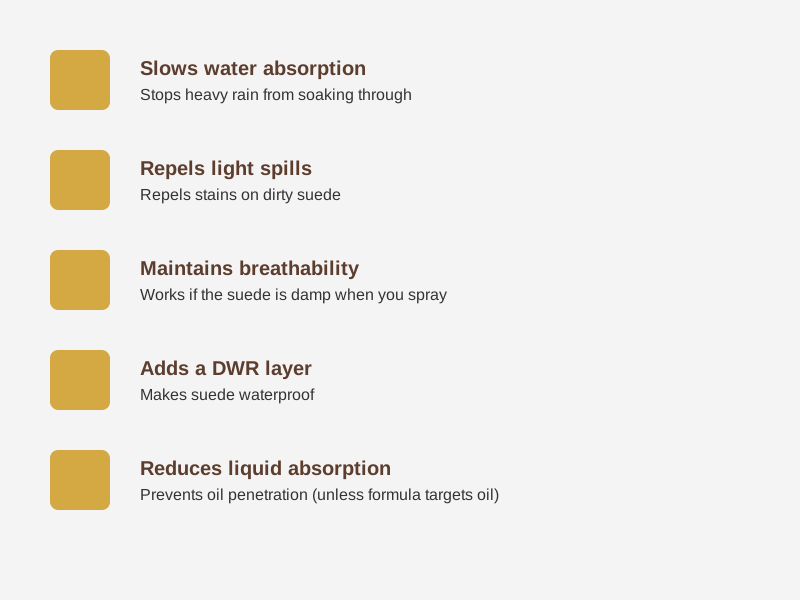
| Function | Capability |
|---|---|
| Slows water absorption | Stops heavy rain from soaking through |
| Repels light spills on clean suede | Repels stains on dirty suede |
| Maintains breathability if applied correctly | Works if the suede is damp when you spray |
| Adds a DWR layer | Makes suede waterproof |
| Reduces liquid absorption | Prevents oil penetration (unless formula targets oil) |
When to Renew Your Protection
The single most reliable indicator that your DWR coating has degraded is when water no longer beads on the surface—instead, it spreads flat and soaks in within three seconds. In typical UK conditions with regular wear, you’ll likely need to renew the treatment every few months. For comprehensive suede care guidance beyond just protection sprays, our main resource covers cleaning, brushing, and long-term maintenance: How to Clean Suede Trainers at Home Without Ruining Them .
As an Amazon Associate we earn from qualifying purchases. The products linked above are ones we recommend based on independent research and owner feedback.
Note: General guidance only, verify details with a qualified professional or official source.