Suede Eraser vs Suede Brush: Which One for Which Mark
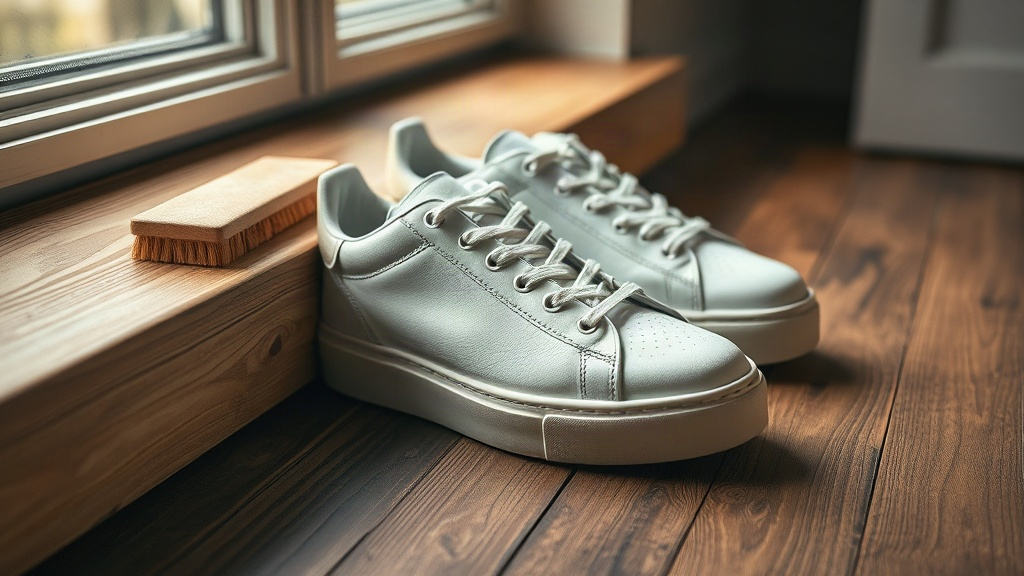
Suede marks divide into two clear categories: dry particulate marks (eraser territory) and wet or greasy marks (brush-first territory). Choosing the wrong tool for the wrong category can make the mark permanent.
Both tools typically come bundled together, implying they serve the same function when in fact they operate on completely different principles. The eraser works by abrasion, while the brush works through stickiness. That fundamental distinction dictates which mark each tool can safely address.
Our Pick
- Dry scuffs and crush marks — Suede eraser — raises the nap through friction and removes the mark physically.
- Daily maintenance and surface dirt — Suede brush — attracts and lifts debris without pressure, safe for regular use.
Understanding the Suede Eraser
The coarse-grained rubber block functions by rubbing directly against suede fibres to physically lift them back up. It restores the nap after flattening from scuffs, crush marks from storage, or shiny patches where leather has been polished by contact.
This friction-based mechanism works similarly to lightly sanding wood—breaking the surface bond of the mark and redistributing fibres. It only works on dry material. When oil or grease is present, the eraser grinds the stain deeper into the fibres and spreads it across a wider area. Owners frequently note that suede erasers handle surface marks effectively but struggle with embedded stains. This isn’t a product quality issue—it’s the tool performing exactly as designed.
The eraser serves as a spot-cleaner for dry marks, not a stain remover for oil.
The Role of the Suede Brush
The brush utilises natural crepe ribbon—a textured rubber surface that operates through stickiness rather than friction. As you brush, the slightly tacky surface attracts and lifts dry dirt and dust from the nap. The ribbon’s texture does the work without requiring heavy pressure.
This makes the brush suitable for regular use, unlike the eraser. Designed for frequent application, the brush accumulates dirt over time—a sign it’s functioning correctly. The brush doesn’t degrade the nap with repeated use the way abrasion can.
It’s also the appropriate tool for restoring nap texture after any cleaning. The brushing motion lifts fibres back into position, returning the suede’s characteristic texture.
Matching Tool to Mark Type
Dry scuffs and crush marks require the eraser. The friction breaks the surface bond and raises the nap, making it ideal for isolated scuffs or shiny patches on the vamp where your foot bends.
Routine daily dirt and dust clearly calls for the brush. The attract-and-lift mechanism perfectly suits daily maintenance needs without risking fibre damage.
Water-based marks or light soiling also need the brush. A dry brush handles rain spots, light dust, and general weekly grime without any risk.
Grease and oil stains present the highest risk of damage. Start with the brush to remove loose surface debris. Then apply cornstarch or talcum powder generously and leave overnight—the powder draws oil out through absorption. Brush again to restore the nap.
Avoid using the eraser on grease. Rubbing a rubber block against an oil stain works the oil deeper into fibres and spreads the affected area. The eraser cannot absorb—it can only smear.
The correct workflow: dry brush first → treat oil stains with absorbent powder → eraser for isolated dry marks only after brushing → finish with brushing to restore nap. This sequence follows each tool’s inherent mechanism.
Proper Application Techniques
Always brush completely dry suede. Working a damp surface presses moisture and grime deeper rather than lifting it. Brush in one direction rather than scrubbing back and forth—you’re lifting dirt off, not pushing it around.
When using the eraser, apply gentle pressure to the specific mark only. The resulting rubber dust and crumbles are normal—brush them away afterward. For oil or grease stains, act quickly. The longer they sit, the more they bond with fibres and the harder they become to remove.
Many people overlook brush maintenance: wipe your brush clean every few uses. A damp cloth across the crepe ribbon removes accumulated dirt and maintains effectiveness.
Common Questions Answered
Can I use a suede eraser on nubuck?
Yes—nubuck features raised leather fibre similar to suede, and the eraser works on both materials. Since nubuck is slightly more delicate, practise a lighter touch, but the fundamental mechanism remains the same.
Will a suede brush damage my shoes?
Not when used as intended. The crepe ribbon is soft and designed for regular use on delicate leathers. Stiffer bristle brushes require a gentler hand, but the crepe brush won’t damage the nap with normal use.
How frequently should I brush my suede?
For optimal results, brush after each wear to prevent dirt buildup in the nap. For occasionally worn shoes, regular brushing during wetter months helps maintain condition. The brush performs best with frequent light use rather than infrequent heavy cleaning.
Quick Reference Guide
Keep this decision rule handy: Dry scuff or dirt → eraser first. Wet, greasy, or shiny mark → brush first, never eraser.
For complete cleaning instructions, consult our full suede cleaning guide .
The free checklist covers the right tools for common marks in the correct sequence. Stop guessing which tool does what.
Related Guides
- How to Clean Suede Trainers at Home Without Ruining Them
- Nubuck vs Suede: Do They Need Different Cleaning?
General guidance only—verify details with a qualified professional or manufacturer recommendations.