Nubuck vs Suede: Does It Need Different Cleaning, or Is It the Same Thing?
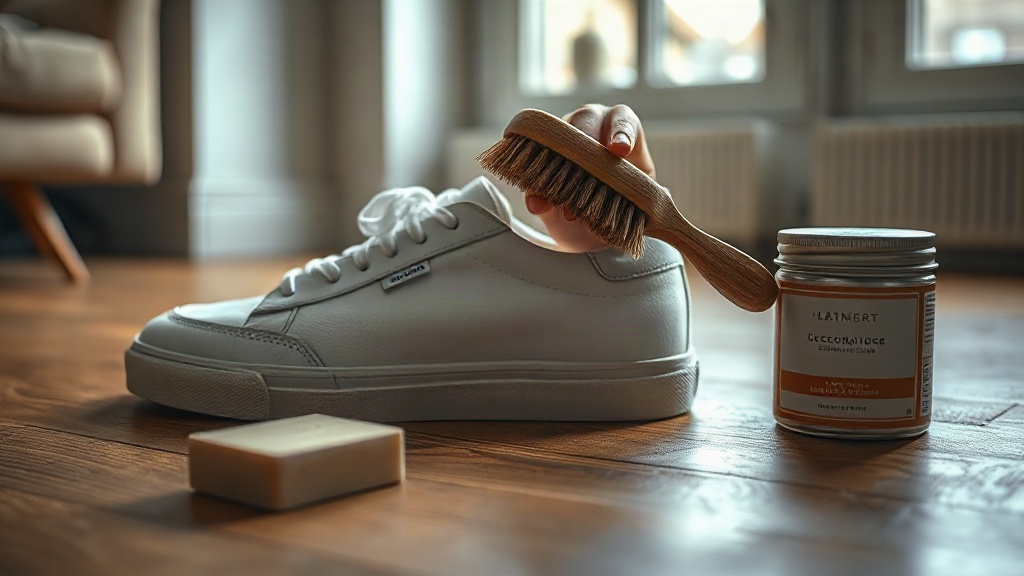
Suede is split from the hide’s inner surface; nubuck is buffed from the grain side. That manufacturing difference explains why using the same brush stroke can damage one material while preserving the other.
As an Amazon Associate we earn from qualifying purchases. This page contains affiliate links — if you buy through them, we earn a small commission at no extra cost to you.
You’ve been told suede and nubuck are different animals. Same family, different cleaning—or so the logic goes. Then you pick up a bottle of suede cleaner, read “suitable for suede and nubuck” on the back, and the rulebook looks thin. Which is it?
The honest answer lies between what product labels claim and what forums suggest. Manufacturers like Saphir treat them identically for routine cleaning in their care guides. The same brush, the same eraser, the same spray. But the materials behave differently in ways that change how you use those tools. Get the method right, and one kit works for both. Get it wrong, and you’ll wish you’d read the label more carefully.
Here’s what actually differs, and what to do about it.
Our Pick
- Everyday light cleaning on either material [Saphir Nubuck Suede Eraser](https://www.amazon.co.uk/dp/B0051DYAX4?tag=leathercareanswers-21) *(paid link)* — removes surface marks without soaking the material. A reliable, no-fuss choice for routine use. View on Amazon →
- Gentle refresh that preserves texture above all DASCO Suede and Nubuck Cleaning Block Eraser — slightly softer touch, better at keeping the nap looking natural. The trade-off is it won't tackle anything more than light surface grime.
Getting Started: The Universal Routine
Before you reach for anything liquid, one step is universally safe for suede and nubuck: dry brushing. A crepe brush—sometimes called a suede brush—lifted gently across the surface removes loose dirt and redistributes the nap. No product, no risk, and for light wear, it’s often all the pair needs.
If dry brushing isn’t enough, a suede and nubuck-specific cleaner applied sparingly is the next rung. The “sparingly” part matters more than people think. Both materials absorb liquid quickly, and over-wetting is the most common way owners do permanent damage. Spray a small amount, work it in gently with a soft brush, and let it dry completely—never near a radiator or direct heat, which can shrink the leather and flatten the nap irreversibly. Once dry, brush the nap back up with your crepe brush.
The routine in short:
- Dry brush first—always
- Cleaner only when dry brushing falls short, and use it sparingly
- Let dry naturally at room temperature
- Re-brush the nap once dry
That baseline is safe for both. Where they diverge is what happens next—and that’s where the same tool can save one pair and damage the other.
Why Material Structure Dictates Your Approach
Suede and nubuck are both leather with a nap—the raised fibre surface that gives them that soft, velvety texture. But they get there differently. Suede is worked from the inner flesh side of the hide, where the fibres are looser and more open. Nubuck is sanded from the outer grain side, which compacts the fibres into a tighter, denser surface.
That difference in fibre structure is why cleaning methods need to diverge, even if the tools are the same.
On nubuck, the tighter fibre structure means dirt and stains tend to sit on the surface rather than sinking in. A mild suede cleaner or even a damp cloth can work here without the material drinking it up. The surface accepts light moisture and releases it more readily.
On suede, those looser fibres act like a sponge. Liquid penetrates quickly, and if it carries any staining agent—a coloured cleaner, soapy residue, water with minerals—it can set deep. That’s why suede turns dark when cleaned: not because of the dirt, but because the liquid carrying the dirt has soaked further into the material than it would on nubuck.
So when the label says “suitable for suede and nubuck,” it’s not wrong—but it’s incomplete. The product works for both. The method shouldn’t be identical. Nubuck can tolerate a slightly damp approach. Suede needs you to be more restrained: dry methods first, liquids only when necessary, and never more than the material can absorb and dry out cleanly.
The practical implication: if you’re not sure which you have—and plenty of shoes aren’t clearly labelled—start with the suede method. It’s the more cautious approach, and it won’t damage nubuck.
Choosing Your Cleaning Tools
Not all erasers are equal, and the choice matters more than the marketing suggests.
The Saphir Nubuck Suede Eraser (paid link) works well for surface marks and shine removal. The catch: it’s not a deep-clean solution. Stubborn stains or ingrained scuffs won’t shift with an eraser alone, and pushing harder on suede risks flattening the nap. It’s a maintenance tool, not a rescue product.
The DASCO Suede and Nubuck Cleaning Block Eraser has a softer texture. This makes it gentler on the material while still removing surface marks and dirt. Its strength is preserving texture and finish—it doesn’t pull at the fibres aggressively, which matters more on nubuck than anywhere else. The limitation is similar: it handles light surface grime but not heavy staining.
The Kaps Suede and Nubuck Cleaning Stone (paid link) works for light touch-ups. It can make tired suede look better, though results on stubborn marks are inconsistent. For regular light maintenance it’s acceptable; for anything more demanding, you’ll feel the limitation.
See Kaps Suede and Nubuck Cleaning Stone on Amazon → (paid link)
One tool that belongs in every suede or nubuck owner’s kit regardless of which eraser they choose: a crepe brush. It’s the workhorse of nubuck and suede care—it lifts soiling, redistributes the nap, and can do a lot of the daily refresh work without any product at all. The less product you apply to these materials, the better they hold up.
The Saphir Wire Brush is a maintenance tool for quality suede and nubuck that revives the nap and lifts dirt. The Kaps Suede Brush (paid link) is compact and easy to use, with different sides for light dirt and nap restoration. It’s suitable for everyday light cleaning, but won’t shift anything stubborn.
Check Kaps Suede Brush price → (paid link)
Right. Now you know what works—get the Free Suede & Leather Care Checklist and make sure you’ve got the right tools before the next rainy commute.
Maintaining Water Resistance
Both suede and nubuck lose their water repellency with wear. The factory-applied DWR coating wears off with regular use, and once it’s gone, water soaks in rather than beading off. That’s when the rain gets in, the nap flattens, and the shoes take on that heavy, waterlogged feel.
The fix is straightforward: apply a waterproofing product designed for suede and nubuck after cleaning and before wearing. Nikwax Nubuck & Suede Proof (paid link) adds DWR protection, prevents water absorption, and maintains breathability. Apply it to clean, dry shoes in a well-ventilated space, let it dry fully, and you’re protected for regular wear.
Check Nikwax Nubuck & Suede Proof price → (paid link)
One important point: clean first, reproof second. Using a leather cleaner before reproofing may reduce water repellency. Keep these as separate steps.
Both materials need reproofing, and both respond well to the same products—so this is the one area where the “suede and nubuck are the same” claim is genuinely accurate.
Common Questions Answered
Can I use the same brush for both suede and nubuck?
Yes, a crepe brush is safe for both and handles most daily refresh work. A brass brush can work on nubuck for hard, dried dirt, but use it carefully—the bristles are more abrasive and can damage softer suede if you’re heavy-handed. For routine cleaning, stick with the crepe brush.
Why did my suede shoes turn dark when I cleaned them?
You most likely over-wetted the material. Suede absorbs liquid quickly, and when it dries unevenly—or when the cleaner itself stains the fibres—the nap darkens. It doesn’t always mean permanent damage, but it can. The fix is to let the shoes dry completely at room temperature, then brush the nap back up vigorously. If the discolouration remains, it may have set. Prevention is the better strategy: use as little liquid as possible, and always test on an inconspicuous area first.
Is nubuck more durable than suede?
Generally, yes. The sanding process that creates nubuck compacts the fibres on the grain side of the hide, making the surface slightly denser and more resistant to wear and scuffing than suede’s looser flesh-side fibres. That said, both are still leather—and leather that isn’t cared for will crack, dry out, and deteriorate regardless of which type it is. Durability comes from maintenance as much as from the material itself.
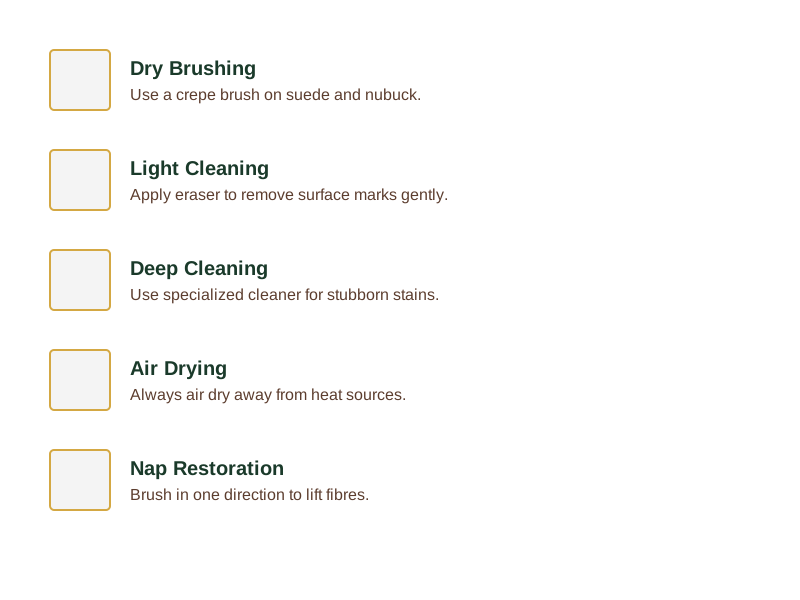
The universal cleaning routine for both suede and nubuck involves dry brushing with a crepe brush, followed by a suede/nubuck eraser for light cleaning, and a dedicated cleaner for deeper cleaning if needed. After cleaning, both materials must be left to air dry before the nap is restored with a final brushing.
Identifying Your Material Before Cleaning
Before you start any cleaning process, confirm which material you’re working with. Drag a fingernail lightly across the surface—nubuck shows a finer, more uniform nap change than suede. Once you’ve identified your material, use the appropriate cleaning approach.
The tools can be the same for suede and nubuck, but the method needs to account for how each material takes to cleaning. Nubuck’s tighter fibres tolerate a bit more moisture; suede’s looser structure means you keep liquids to a minimum and always let it dry naturally. Dry brushing first is the universal first step—it’s the one rule that holds regardless of which material you’re dealing with.
If you’re looking at a pair that’s already marked or water-stained, work through the routine in order: dry brush, eraser if needed, cleaner sparingly, dry fully, reproof. Don’t skip the reproofing—it’s what keeps the next rain from undoing your work.
If you’re starting from scratch and want to know you’ve got the right tools before you need them, grab the checklist. It covers exactly what to keep in a suede and nubuck care kit, and what each item is actually for.
Get the Free Suede & Leather Care Checklist — everything you need to keep suede and nubuck in decent shape without a cobbler’s bill.
For detailed cleaning instructions, see our How to Clean Suede Trainers at Home Without Ruining Them .
Sources & Further Reading
As an Amazon Associate we earn from qualifying purchases. The products linked above are ones we recommend based on independent research and owner feedback.
General guidance only, verify details with a qualified professional or official source.