Are Leather Shoe Care Kits Worth It, or Can You Buy the Pieces Separately?
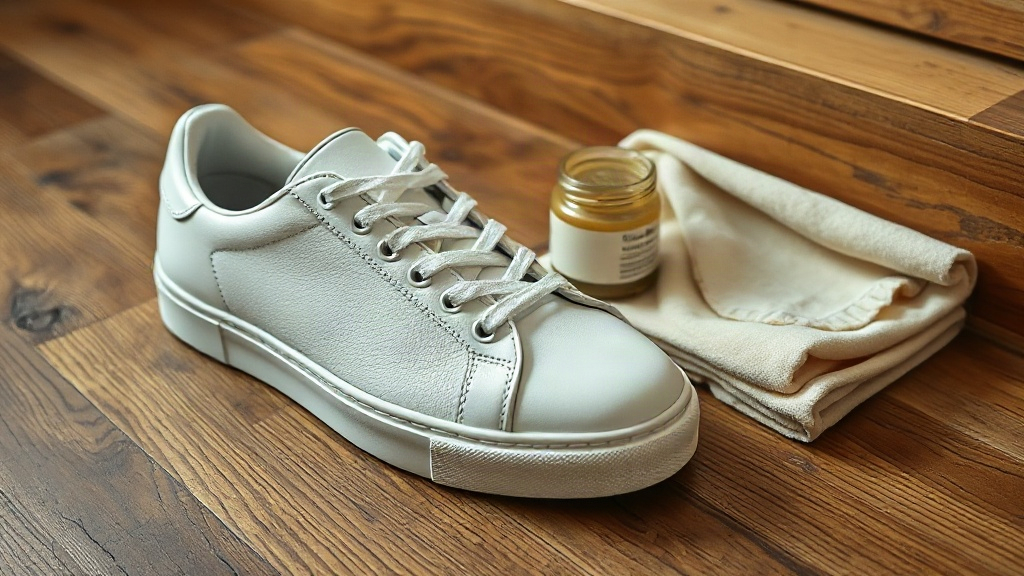
A branded leather care kit typically costs £15-£25, while buying equivalent quality components separately from the same tier totals £20-£30. The price gap is narrower than many expect.
As an Amazon Associate we earn from qualifying purchases. Some links on this page are affiliate links, which means we may earn a small commission if you make a purchase.
You buy a shoe care kit because it looks convenient. You open it, find a soft brush and a tiny cloth, and realise it doesn’t actually clean your suede trainers or remove the scuffs from your leather boots. You’re not alone. The problem isn’t your cleaning technique — it’s the kit itself.
Many budget shoe care kits bundle products designed for general use rather than specific materials. The brush is often synthetic and too soft to lift dirt from suede. The cloth may be the wrong material for polishing. The conditioner, if included, comes in a small container that won’t last long. All of it comes packaged in a neat box that makes it look like a proper solution when it isn’t.
This article cuts through that. Here’s what’s actually in those kits, why the individual pieces usually outperform them, and how to build a better kit for roughly the same money.
Why Convenience Often Costs More
The appeal of a kit is obvious: everything in one box, nothing to research, job done. Shops capitalise on this, with kits available at various price points from budget online retailers to premium footwear specialists. The marketing copy is almost identical every time — “complete care”, “everything you need”, “professional results at home.”
The inconvenient truth is that “complete” and “good” are not the same thing.
Kits are built to hit a price point, not a standard of care. That means the manufacturer cuts corners on the tools that actually matter. The brush — the most important item in any leather or suede kit — is almost always synthetic bristle, soft enough to feel gentle, but too weak to shift embedded dirt. The cloth is often a cheap cotton square, not microfibre, so it smears polish rather than buffing it to a shine. The conditioner, if it’s there, is usually a thin cream in a small tin: enough for limited applications before you need to buy more.
What you end up with is a box of compromise. It’s not designed for suede trainers, because suede needs a hard-bristled brush and a dry cleaning eraser. It’s not ideal for polished leather, because polished leather needs a dedicated wax and a buffing cloth. It’s just… present.
For someone who owns one pair of shoes and wants them to look vaguely respectable, a kit might suffice. But if you’re reading this, you probably own more than one pair, and you’ve already noticed that your kit isn’t doing what the box promised. That’s not a failure of your expectations — it’s a failure of the product.
What You’re Actually Paying For
The mechanism matters here. A brass or wire suede brush works because the bristles are firm enough to lift dirt from between the raised fibres of the nap. A soft synthetic brush just pushes the dirt deeper. A horsehair brush is a different tool: it lays polish on smooth leather. It is not the suede brush.
The same logic applies to leather conditioner. A dedicated conditioner like Saphir Renovator Cream (paid link) is formulated to penetrate and nourish the hide, moisturising leather and keeping it looking fresh. Many kit-included creams are thinner, more waxy, and sit on the surface rather than conditioning it properly. The difference between a proper conditioner and a kit cream is noticeable after the first application, and it compounds over time as the leather either stays supple or gradually dries out.
See Saphir Renovator Cream on Amazon → (paid link)
This is why buying separately outperforms kits for anyone with specific materials to care for. A wire suede brush and a small tin of Saphir Renovator Cream together cost about the same as a mid-range kit — but the brush actually lifts a nap, and the conditioner actually feeds smooth leather. They are not interchangeable.
The cloth situation is similar. A microfibre cloth costs very little but makes a significant difference to how evenly polish applies and how well it buffs off. Most kits include a small cotton square, which is genuinely worse for the job.
Building Your Own Kit — The Smart Way
The fix is straightforward: stop buying the box and start buying the pieces.
The first step is identifying what material you’re caring for. Leather and suede need different tools — there’s no single brush that does both well. Once you know what you’ve got, the shopping list is short.
For leather shoes and boots
- A hard horsehair brush for applying polish evenly. A suede or nubuck brush is a different tool — the bristles that lift a nap will scratch smooth leather polish, so don’t substitute one.
- A microfibre polishing cloth (not the cotton square from a kit)
- A conditioner — Saphir Renovator Cream (paid link) for a premium finish, or Renapur Leather Conditioner Balsam (paid link) if you want a budget option that still performs well on boots, bags and worn leather
- A small tin of black wax for the final shine on black leather: Saphir Amiral Black Gloss, 50 ml (paid link). Kiwi Parade Gloss Prestige Neutral is a cream, not this wax.
See Saphir Amiral Black Gloss, 50 ml on Amazon → (paid link)
View Renapur Leather Conditioner Balsam on Amazon → (paid link)
For suede and nubuck
- A hard-bristled suede brush — Saphir Wire Brush (paid link) for premium, Kiwi Combination Brush for budget
See Saphir Wire Brush on Amazon → (paid link)
- A suede eraser for dry marks and scuffs — Saphir Nubuck Suede Eraser (paid link) is the standard recommendation, Kaps Cleaning Stone (paid link) is the cheaper equivalent
- A suede-specific cleaner, only if the shoe is actually dirty rather than just dusty
View Kaps Cleaning Stone on Amazon → (paid link)
View Saphir Nubuck Suede Eraser on Amazon → (paid link)
For waterproofing
A dedicated spray like Grangers Footwear Repel Plus (paid link) or Tarrago Universal Protector (paid link) tends to outperform treatments bundled into a kit. Both are spray-on, work across multiple materials, and reapply easily.
View Grangers Footwear Repel Plus on Amazon → (paid link)
That’s the full picture for around £20–£30. The Saphir Wire Brush (paid link) makes a noticeable difference — it revives the nap on suede trainers and restores texture effectively. The Renapur Balsam receives positive feedback from buyers who note how it softens old or stiff leather on boots and bags without leaving a greasy finish.
When Buying a Kit Makes Sense
Here’s the honest answer: kits are not useless. They’re just not the best option for most people with a specific material to care for.
Kits earn their place in a few situations. If you’ve just bought your first pair of leather shoes and you genuinely don’t know what care they’ll need, a kit is a reasonable starting point — you’ll learn what the components do, and you can replace the underperforming ones as you go. Some kits are also genuinely convenient for travel: a small box with a brush and polish tin is easier to pack than four separate items. And if you only own one pair of shoes and you wear them infrequently, the fact that the brush is soft and the cloth is cotton probably won’t matter enough to justify the research time.
The trade-off is real: kits win on convenience and lose on material effectiveness. If you know your shoes are suede, buy suede tools. If you know your boots are leather, buy leather products. The moment you match the tool to the material, you’ve already outperformed every mid-range kit on the market.
Kit Components vs. Individual Tools
| Component | Typical Kit Quality | Recommended Individual Tool | Best For |
|---|---|---|---|
| Brush | Soft synthetic bristles | Wire or brass for suede; horsehair for smooth-leather polish | Don’t use one brush for both |
| Cloth | Cheap cotton square | Microfibre polishing cloth | Even polish application |
| Conditioner | Thin cream in small tin | Dedicated leather conditioner | Deep moisturising |
| Wax Polish | Often missing or low quality | Small tin of wax polish | Final shine and protection |
| Waterproofing | Bundled spray (often weak) | Dedicated spray (e.g., Grangers) | Water repellency |
| Eraser | Usually missing | Suede eraser | Dry marks and scuffs |
Kits are built to hit a price point, not a standard of care. Individual tools usually outperform kits for specific materials.
Common Questions Answered
Can I use a leather conditioner on suede?
No. Leather conditioner is too heavy and will saturate the nap, leaving a shiny, greasy patch that is difficult to reverse. Suede needs dry cleaning — a suede brush and an eraser for light marks, or a suede-specific cleaner for anything more significant. The materials behave differently, and the products are not interchangeable.
What is the best brush for suede?
A brass or wire brush is what suede needs. The Saphir Wire Brush (paid link) is the premium pick — it lifts dirt and revives the nap. The Kiwi Combination Brush is the cheaper version of that job when you can find it in stock. A horsehair brush is for laying polish on smooth leather, not for this. The brush included in most shoe care kits is too soft for either job.
Do I need to waterproof my leather shoes?
Not always, but it’s worth doing for leather boots and shoes worn regularly in wet conditions. A dedicated spray like Grangers Footwear Repel Plus (paid link) or Tarrago Universal Protector (paid link) applies easily and restores water repellency without affecting the look or feel of the leather. Waterproofing treatments bundled into kits are usually less effective and less durable than a purpose-made spray.
See Tarrago Universal Protector on Amazon → (paid link)
Now you know what the kits are doing, why they underperform, and exactly what to buy instead for roughly the same money. The difference between a soft brush that smears and a hard-bristled brush that lifts is not subtle — and neither is the difference between leather that gets a proper conditioner and leather that gets a thin cream sitting on the surface.
Building your own kit requires some initial research but provides long-term value. That’s the move if you actually care about what you’re wearing.
Get the Free Suede & Leather Care Checklist
A kit is the better buy for gifting or first-time setup when you have no existing tools; building separately wins when you’re replacing one depleted item or caring for specific materials. For a complete reference on full-care routines, see our Leather Shoe and Boot Care UK: Conditioning, Polishing and Waterproofing .
Sources & Further Reading
As an Amazon Associate we earn from qualifying purchases. The shoes and court kit linked above are ones we recommend based on independent research and owner feedback.
Note: General guidance only, verify details with a qualified professional or official source.