Leather Jacket Gone Stiff or Dry: What Actually Brings It Back
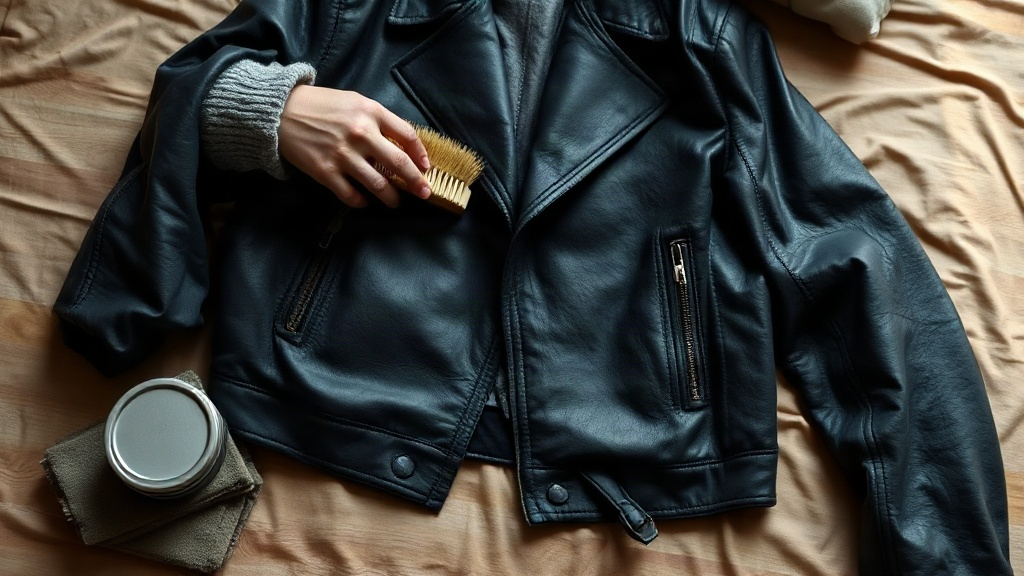
Pinch the leather at the elbow crease; if it stays creased rather than springing back, the fibres have lost significant plasticiser. This simple test reveals the underlying dehydration that makes your leather jacket feel stiff and board-like.
The honest answer to softening a stiff leather jacket isn’t just “apply conditioner.” It’s clean first, then condition—and most advice online misses the critical first step entirely.
Why Your Jacket Has Gone Stiff
Leather stiffens when it loses moisture. This isn’t just age; it is the leather drying out, often faster than people realise in a centrally heated home or a wardrobe that doesn’t get opened much. The fibres contract, the material loses flexibility, and what was once a comfortable jacket starts to feel board-like.
Cheaper leather goods—corrected-grain leather in particular —are more prone to this than premium full-grain leather. The surface has been sanded down and reconstituted, which means there is less natural fibre structure to hold moisture and flex without cracking. But even a well-made jacket can stiffen if it has been stored dry, cleaned with the wrong products, or dried out near a radiator.
The crack along the collar seam is the thing to watch. Once leather cracks, it is damaged permanently. A conditioner cannot undo a crack; it can only prevent one from getting worse. Which is why acting when the leather feels stiff, rather than waiting until it is visibly cracked, matters.
If you are working with a vintage find or a second-hand purchase: cheaper “faux leather” or heavily corrected-grain items may never respond as well to conditioning as genuine leather, because the material composition is different.
The Critical Cleaning Step (Before You Do Anything Else)
You cannot condition a dirty jacket and get a good result. Dirt, body oils, and dust sit on the surface of leather. When you apply conditioner over that grime layer, you seal it in. The leather cannot absorb the product, so it sits on top and goes sticky—attracting more dirt and making the jacket look worse than when you started.
The fix is straightforward. Work from clean to conditioned:
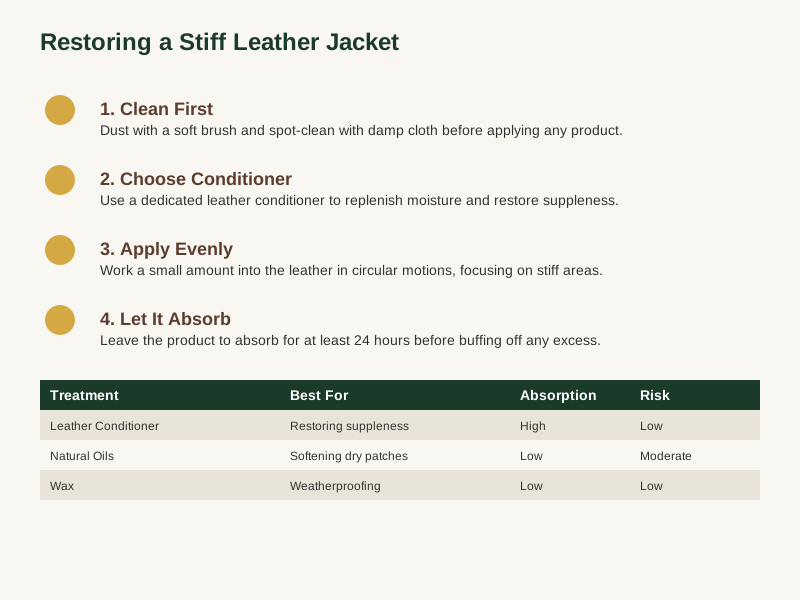
- Dust the jacket with a dry, soft-bristled brush. Work across the surface and into seams where grime builds up.
- Spot-clean any marks with a cloth dampened with clean water—not wet, just damp. A soaked cloth will saturate the leather and cause its own problems.
- Let the jacket air dry completely, away from direct heat or sunlight. Radiators and weak winter sun both cause uneven drying and further moisture loss.
Only then do you apply any conditioner or treatment. It is an extra step, but it is the one that separates a jacket that feels genuinely restored from one that goes sticky within a week.
The Three Ways to Restore Softness (And Which One Wins)
The options you will find listed somewhere are leather conditioner, natural oils, and wax. They do different things, and conflating them is where most confusion comes from.
Leather conditioner—this is what you want for a stiff jacket. It soaks into the leather fibres and replenishes lost moisture, restoring suppleness without stripping colour or destroying the natural patina. Leather repair specialists specifically formulate conditioning creams to absorb properly—some are essentially a very gentle cleaner and moisturiser in one. A dedicated conditioner brings back softness without the heavy shine or colour change you would get from the wrong product.
Natural oils—coconut oil, baby oil, olive oil—these can soften dry patches, and that is genuinely what some sources claim. The problem is there is no proven mechanism for preventing cracking, and no formulation designed to ensure even absorption. The oil can sit on the surface rather than absorbing evenly, clog the leather’s pores, and attract grime over time. It is not advisable to use these oils as they aren’t formulated for leather and can go rancid. A dedicated conditioner does the same softening job without the risk of stickiness or attracting dirt.
Wax—wax-based products are good for protection and adding a layer of weatherproofing to leather that is in reasonable condition. They are not designed for restoring suppleness to leather that is already stiff and dry. Applying wax to a stiff jacket seals the surface without addressing the underlying moisture loss. It’s also important to note that you should not use shoe polish, as it is formulated for footwear and can dry the leather out further.
The short version: conditioner is the only option with a mechanism that actually restores suppleness, prevents cracking, and preserves the jacket’s colour and patina—provided the jacket is clean first.
Step-by-Step: How to Condition Your Jacket
Once the jacket is clean and dry, conditioning is straightforward. The common mistake is using too much product. A little goes a long way with any decent leather conditioner.
Apply a small amount to a soft cloth—a cotton cloth works fine, no need for anything special. Work it into the leather in circular motions, concentrating on the stiffest areas: shoulders, elbows, the collar. You don’t need to work it into a heavy lather; a thin, even coat is the target.
Leave it to absorb for at least 24 hours. Don’t rush this. If you wipe it off after an hour because the surface looks dry, the fibres haven’t had time to absorb what they need.
After 24 hours, check the surface. If there is any excess product sitting on top, buff it off with a clean, dry cloth. The leather should feel supple and look consistent—no sticky patches, no patchy shine.
If the jacket is very stiff, you may need a second application a few days later. But don’t layer product on top of product without giving the first application time to absorb fully. As a baseline, conditioning a jacket in regular rotation once a year is reasonable, but condition it again if you notice it feeling dry between seasons.
When to Call a Professional
Conditioner can do a lot, but it cannot fix everything. If the leather is visibly cracked—not just stiff, but actually split—conditioner won’t restore it. A cracked jacket needs re-dyeing or structural repair, and that is a leather specialist’s work, not a DIY job. Similarly, deep-set stains, colour loss across large areas, or a jacket that has been stored wet and developed mildew all need professional attention before you attempt any restoration yourself.
If the damage is beyond what conditioning can address, a leather repair company can assess whether restoration is viable or whether you are looking at a replacement. The honest answer is that a jacket in very poor condition may cost more to restore than it is worth—but that is a judgement call based on the item itself.
Your Restoration Timeline
For a severely dried jacket, expect to see real improvement after two conditioning sessions spaced a few days apart. The first application will start to rehydrate the surface fibres, but a deeply stiffened jacket needs time for the moisture to penetrate fully. After the second treatment, usually within a week, the leather should feel noticeably more pliable. Ongoing maintenance—conditioning once a year as recommended by leather-care specialists —will keep it that way.
For a complete overview of leather care beyond restoration, see our Leather Bag and Jacket Care: How to Keep Them from Cracking or Drying Out .
Leather Treatment Options Comparison
| Treatment | Best For | Absorption | Risk of Damage |
|---|---|---|---|
| Leather Conditioner | Restoring stiffness and suppleness | High | Low (if clean first) |
| Natural Oils | Softening dry patches | Low (often sits on surface) | Moderate to High (clogs pores, attracts grime) |
| Wax | Weatherproofing and protection | Low (seals surface) | Low (if leather is already in good condition) |
Where to Go From Here
The core of restoring a stiff leather jacket is straightforward: clean it properly first, then apply a dedicated conditioner. Skip the cleaning and even the best product won’t absorb properly. Reach for natural oils or shoe polish and you are applying the wrong tool to the wrong job—softening without any mechanism to prevent the cracking that prompted you to act in the first place.
A dedicated leather conditioner, applied correctly, will restore a jacket that has gone stiff without the stickiness or colour damage that comes from shortcuts.
If you want a step-by-step reference for the whole process—from checking the leather type to the drying times between each stage—I’ve put together a free checklist that walks through it without the padding.
Get the Free Suede & Leather Care Checklist
Questions about a specific jacket or item? Get in touch .
Related Guides
- How to Condition a Leather Bag Without Darkening It
- Store Leather Bags and Jackets So They Don’t Crack
Sources & Further Reading
- The Natural History Museum Note: General guidance only, verify details with a qualified professional or official source.