Leather Bag and Jacket Care: How to Keep Them from Cracking or Drying Out
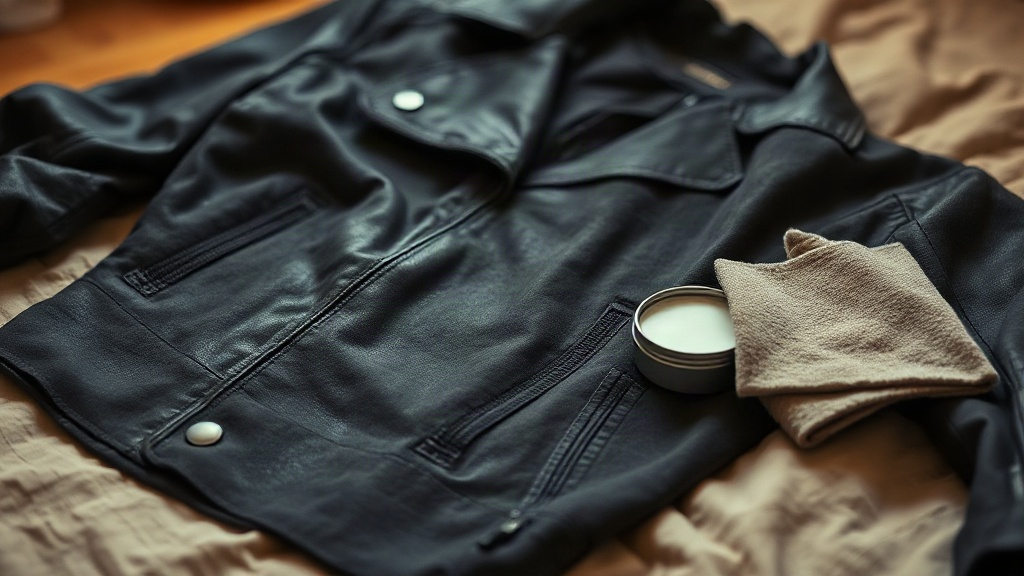
Leather care is not about cleaning—it’s about feeding, because leather is skin that can no longer replace its own oils. This guide covers how to protect your bags and jackets from the environmental factors that cause cracking and drying.
Your leather jacket has been in the wardrobe since October. You take it out in March and the shoulders feel stiff. Not stiff like it needs a wear—stiff like the leather itself has changed. A few months ago it draped normally; now it creaks when you move.
This is the bit nobody warns you about. It’s not rain, a spill, or a scuff you missed. It’s your central heating. That warm hallway where the jacket hangs in winter, the radiator behind the wardrobe wall—all of it working quietly against the leather.
The good news is that this is genuinely reversible. Conditioner brings back suppleness, and the habits that prevent cracking are straightforward. The bad news is that the leather care aisle sells a lot of products for a problem that mostly needs a different environment and one or two well-chosen items.
The Hidden Enemy: Heat and Humidity
Leather contains structural moisture that keeps the fibres flexible. When that moisture drops, the fibres tighten and the surface starts to crack under normal wear. That is not dramatic damage; it is just dry air doing its work.
In the UK, the primary threat to leather isn’t rain or cold—it’s the central heating cycle. A typical British winter flips your home between two extremes: radiators on, humidity drops, air becomes arid; then the heating goes off, condensation builds, humidity rises. Leather absorbs and releases moisture constantly in response to the air. According to museum conservation guidance, indoor humidity below 40% poses a danger to leather goods, causing embrittlement.
This is the step most care guides skip. They tell you to condition your leather, but they don’t mention that conditioning a jacket stored beside a radiator is like filling a bucket with a hole in it.
Common mistakes are predictable: putting leather in plastic bags (traps humidity, encourages mould), storing near radiators or heated towel rails, or keeping bags in a car boot overnight in winter. A leather jacket kept in a wardrobe adjacent to a radiator can develop stiffness within a single winter season. The same jacket in a cooler, more stable environment stays supple for years with minimal intervention.
The quick check: Is any of your leather within one metre of a radiator, heated rail, or permanent heat source? If yes, fix that first. No product will fully compensate for an actively drying environment.
Conditioning brings back suppleness, and the habits that prevent cracking are straightforward.
Know Your Material: Smooth vs. Suede
Not all leather needs the same approach. There are two broad categories that matter for everyday care.
Smooth-finish leather includes aniline, nappa, and most leather bag bodies and jacket skins. The surface is sealed; the fibres are compressed and the finish sits on top. Smooth leather needs a protection cream, applied before first use and refreshed periodically. The cream creates an invisible barrier that repels water and oil-based stains without changing the look of the leather. It also adds a small amount of conditioning, which helps slow moisture loss.
Suede and nubuck are leather with a raised, nap-like texture. That nap gives suede its feel, but it also makes it vulnerable: the raised fibres trap dirt and absorb liquid faster than smooth leather. Smooth-finish products like creams or waxes will flatten the nap and ruin the texture. Suede and nubuck need a protection spray instead, which bonds to the fibres without clogging them.
The decision is straightforward:
- Smooth leather → protection cream
- Suede or nubuck → protection spray
Both products, when properly applied, provide an invisible barrier. If a product is visibly changing the colour or texture of your leather, you have used too much or the wrong type.
For suede, a decent protection spray genuinely restores water repellency on older items. The caveat is that a spray must be applied to a clean, dry surface—spraying over dirt locks it in. Brush the suede first, let it dry, then spray.
Conditioning cannot reverse deep cracks where the leather has actually split. It prevents cracking, it doesn’t repair it.
The Cleaning Routine
Here is the mistake most care routines encourage: cleaning too often with a product that is too strong. Every time you clean leather, you risk stripping some of the natural oils along with the dirt. Done occasionally, that is fine. Done every few weeks, you are removing the very oils you are trying to protect.
For bags and jackets, once or twice a year is sufficient for a proper clean. Most leather jackets don’t need cleaning more often unless they have actually got something on them. A bag used daily might benefit from a wipedown every few months, but a dedicated leather cleaner every time is unnecessary.
Work on a clean, dry surface. Apply a small amount of gentle leather cleaner to a soft cloth—don’t saturate the leather. Work in circular motions, focusing on areas that contact skin or collect dirt. Let it dry naturally, away from direct heat. No scrubbing, no soaking, no products left to “penetrate” for hours.
The step people miss is the conditioning that should follow any cleaning. Because the cleaner has likely taken some oil with the dirt, you are left with leather that is cleaner but slightly drier. Conditioning restores what was removed.
A gentle approach—little product, regular brushing, patience with drying—outperforms aggressive cleaning. Cleaning without conditioning can, over time, accelerate the drying the conditioner was supposed to prevent.
Conditioning: The Moisture Boost
Conditioning replenishes the oils that leather loses through wear, cleaning, and exposure to dry air. It is the step that most directly addresses cracking, because cracking happens when the fibres have no flexibility left.
For regular maintenance, a conditioning leather lotion can be a good option. Some formulas include UV protection, which may help slow fading caused by daylight exposure through windows. That is the product I would reach for most of the time for a bag or jacket worn regularly.
For leather already showing signs of stiffness—a bag stored in a dry environment, a jacket that hasn’t been conditioned in years—a richer leather cream is the better call. Look for “quenching” formulas; they imply actual moisture replenishment rather than just surface softening. A good luxury cream can noticeably improve the feel of stiff leather, even on older items.
Every six to twelve months is a practical frequency for conditioning under most conditions. If you run the heating constantly or wear the jacket in and out of cold outdoor air, twice a year is worth aiming for. If the leather looks and feels supple and you aren’t storing it near heat, once a year is reasonable.
One warning: conditioning cannot reverse deep cracks where the leather has actually split. That is structural damage; conditioner prevents cracking, it doesn’t repair it.
Professional Care Considerations
There comes a point where DIY care has done what it can. The signs are deep cracks that go through the surface, widespread mould, leather that has developed a sticky or oily surface from over-conditioning, or structural damage like a broken handle or detached stitching.
Professional leather restoration isn’t cheap, and it involves sending the item away. For a jacket from a heritage brand or a bag with genuine financial or sentimental value, it can be worth it. The process typically includes deep cleaning, structural repair, recolouring, and reproofing.
The honest assessment: for most everyday leather bags and jackets, a consistent home care routine will keep them in good condition for many years. You don’t need to send them off for annual maintenance. But if you have inherited something, bought second-hand at charity-shop prices and found it in poor condition, or left a favourite jacket too long without care, a professional service is the right call rather than continued DIY attempts that won’t close a deep crack.
Common Questions Answered
Can I use baby wipes to clean my leather bag?
No. Baby wipes often contain alcohol and mild detergents that strip natural oils from leather, according to leather-care sources. You will get the surface clean, but leave the leather drier than before you started. A dedicated gentle leather cleaner does the same job without the oil-stripping effect.
How often should I condition my leather jacket?
Once or twice a year works for most people. If your home runs warm, the jacket is exposed to direct sunlight, or you wear it every day, twice a year is worth aiming for. If it is a dress jacket worn occasionally, once a year is reasonable. Watch for stiffness—if the leather feels tight or looks dull, that is the sign it needs conditioning regardless of schedule.
Will protection spray make my suede bag stiff?
A decent protection spray shouldn’t make suede stiff. The better sprays are formulated to bond to the fibres without filling the gaps between them, so the texture of the suede stays intact. The common complaint with cheaper sprays is that they cause stiffness, usually from over-application. A light, even coat on a clean, dry surface is what to aim for.
Product Reference Guide
| Product Type | Best For | Application Method | Frequency |
|---|---|---|---|
| Protection Cream | Smooth-finish leather (aniline, nappa) | Apply before first use, refresh periodically | As needed |
| Protection Spray | Suede and nubuck | Spray on clean, dry surface | As needed |
| Gentle Cleaner | General cleaning of bags and jackets | Apply to soft cloth, work in circular motions | Once or twice a year |
| Conditioning Lotion | Regular maintenance | Apply after cleaning, allow to absorb | Every 6-12 months |
| Rich Leather Cream | Stiff leather, older items | Apply to dry leather, focus on problem areas | Every 6-12 months (or as needed) |
Your Next Steps
The core of leather care for bags and jackets is simpler than the product aisle makes it look. Keep leather away from heat sources. Clean it gently, once or twice a year at most. Condition it to replenish what is lost. Use a cream on smooth leather, a spray on suede.
If your jacket or bag is already stiff, start with conditioning—the improvement can be surprisingly quick. Once everything is conditioned, the only remaining question is timing—our linked guides set the schedule for bags and for jackets separately.
Get the Free Suede & Leather Care Checklist to help establish your routine.
As an Amazon Associate we earn from qualifying purchases.
Explore More Topics
- Leather Bag and Jacket Care: Questions Answered
- How to Condition a Leather Bag Without Darkening It
- Leather Jacket Gone Stiff or Dry: What Actually Brings It Back
- How to Store Leather Bags and Jackets So They Don’t Crack
Note: General guidance only, verify details with a qualified professional or official source.