Does Freezing Your Trainers Actually Kill the Smell, or Is It a Myth?
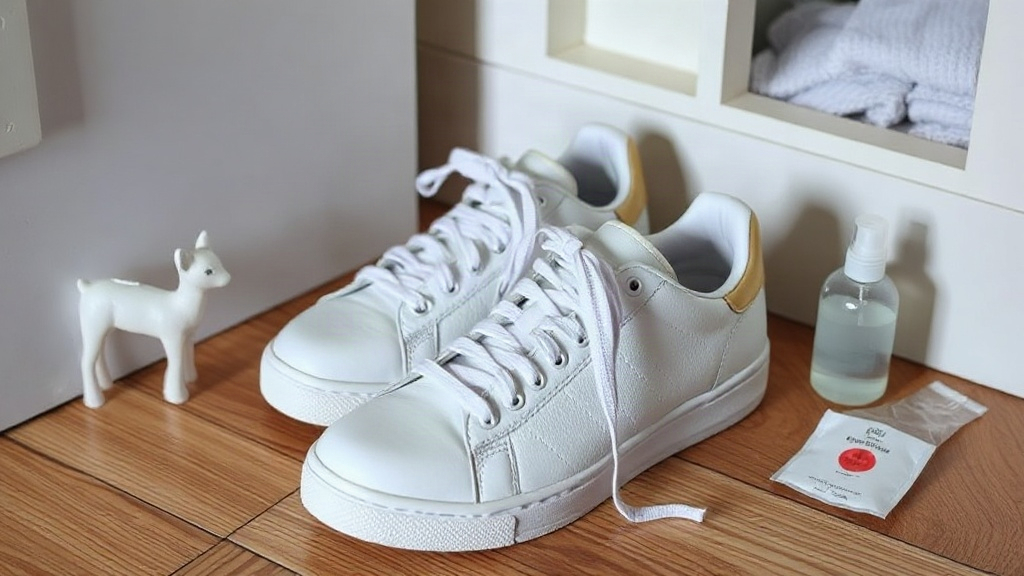
The freezer hack for smelly trainers survives because it half-works. You genuinely get less smell the next morning. What its fans tend to leave out is the part where the odour returns by evening, often stronger than before, because the root cause is still there.
This article explains the temporary relief you feel, why freezing fails as a permanent fix, and what to do instead that actually works.
The Temporary Relief Illusion
The process is familiar: trainers in a bag, into the freezer overnight. In the morning, the smell seems to have vanished.
Cold air numbs your ability to detect odour molecules, much like food from the fridge smells less potent. You’re experiencing a sensory reduction, not a solution. Freezing slows bacterial activity to a near-standstill. The odour-causing microbes aren’t killed; their metabolism is suppressed. Once your shoes warm up to body temperature, they reactivate exactly where they left off. The relief is short-lived.
It functions as a temporary suppressant, useful maybe for packing shoes for a trip where they’ll stay cold. For daily-wear trainers, which warm up the moment you put them on, it’s a faff that doesn’t fix anything.
Why Freezing Falls Short
Trainer odour comes from bacteria like Brevibacterium linens feeding on sweat and skin cells in the lining. They love warm, damp conditions.
A standard home freezer runs at roughly -18°C. That’s cold enough to significantly slow bacteria down, but not cold enough to destroy their cell walls. The microbes survive freezing intact. This is why the smell always comes back—you haven’t removed the bacteria or the food source they live on. You’ve just pressed pause.
Proper cleaning works differently. It removes the organic gunk the bacteria feed on and reduces their numbers directly. Until that material is gone, the cycle continues no matter how many times you freeze them.
The Actual Fix for Smelly Trainers
To stop the smell for good, you need to tackle the cause, not the symptom.
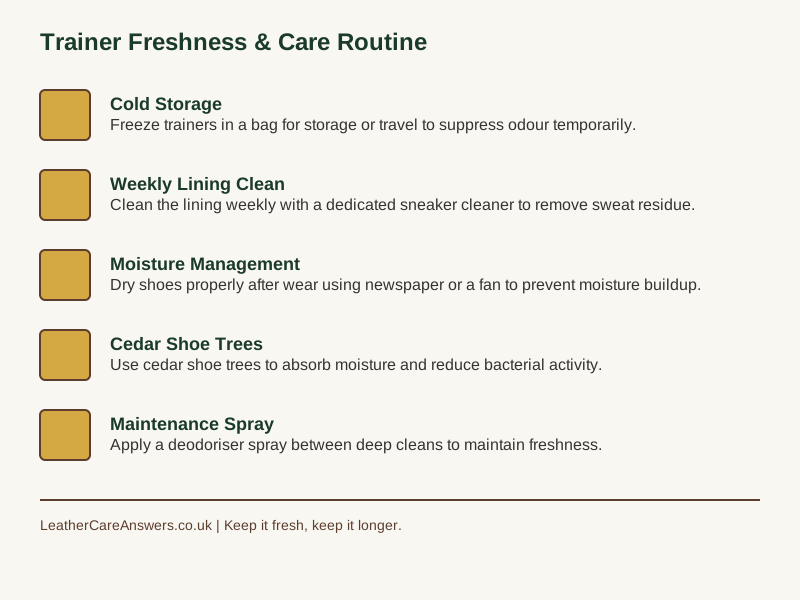
- Clean the lining regularly. This is the non-negotiable step. A proper sneaker cleaner applied inside breaks down sweat residue. The mistake is only cleaning the outside; the smell lives in the lining.
- Dry them thoroughly after wear. Moisture keeps the cycle going. After a sweaty session, stuff trainers with newspaper or paper towels and leave them in a cool, dry place overnight. Avoid radiators—direct heat can damage glue and warp materials.
- Use cedar shoe trees. Cedar absorbs moisture and has natural antibacterial properties. Insert them after wear; it’s a low-effort habit that makes a real difference over time.
- A deodoriser spray for maintenance. Between proper cleans, a targeted spray helps manage odour. It’s a top-up, not a solution, but it extends the time between deep cleans.
This combination—cleaning the cause, drying to prevent its return, and cedar to maintain conditions—is what freezing promises but can’t deliver.
The One Time Freezing Makes Sense
Freezing has a single legitimate use: storage. If you’re packing trainers for a weekend away or storing seasonal shoes, a pre-pack freeze can temporarily suppress odour and stop your bag or cupboard smelling. Just accept it’s a temporary measure and clean the shoes properly before you put them away.
Common Questions Answered
Is freezing safe for suede trainers?
Avoid it. Freezing can make suede fibres brittle and prone to cracking, especially if any moisture is trapped inside. Suede requires dry cleaning methods—a suede brush and dedicated cleaner. The freeze hack is for fabric or leather trainers only, and even then, it’s a stopgap.
What about baking trainers in the oven?
Don’t. Heat might mask the smell temporarily, but it risks serious damage. High temperatures can weaken the adhesive holding the sole, warp the midsole, and even melt foam cushioning. The potential harm isn’t worth the minimal benefit.
What’s a good cleaning schedule?
For daily-wear trainers, a weekly clean is a solid routine. Clean them straight after heavy use like a gym session or a run in the rain. If you wear them less often, clean them before storage. Preventing odour buildup is easier than removing it once it’s set in.
Your Next Steps
When you’re tempted to reach for the freezer, stop and pick the right action for your situation. For a quick overnight fix before a trip? Freezing might buy you a day. For shoes that go back on your feet the next morning? That time is better spent giving the lining a proper clean. For long-term storage? Clean them first, then consider a freeze.
If you want a clear routine that covers cleaning, drying, and maintaining all your footwear without guesswork, our free guide lays it out step-by-step.
Get the Free Suede & Leather Care Checklist
For a deeper understanding of why trainers smell and how to tackle it, our main guide has the full details: Why Do Trainers Smell So Bad — And What Actually Gets Rid Of It? .
Sources & Further Reading
- NHS — general bacteria and hygiene guidance
- Royal Society of Chemistry
Note: General guidance only, verify details with a qualified professional or official source.