Why Do Trainers Smell Worse in Gym Bags Than Anywhere Else?
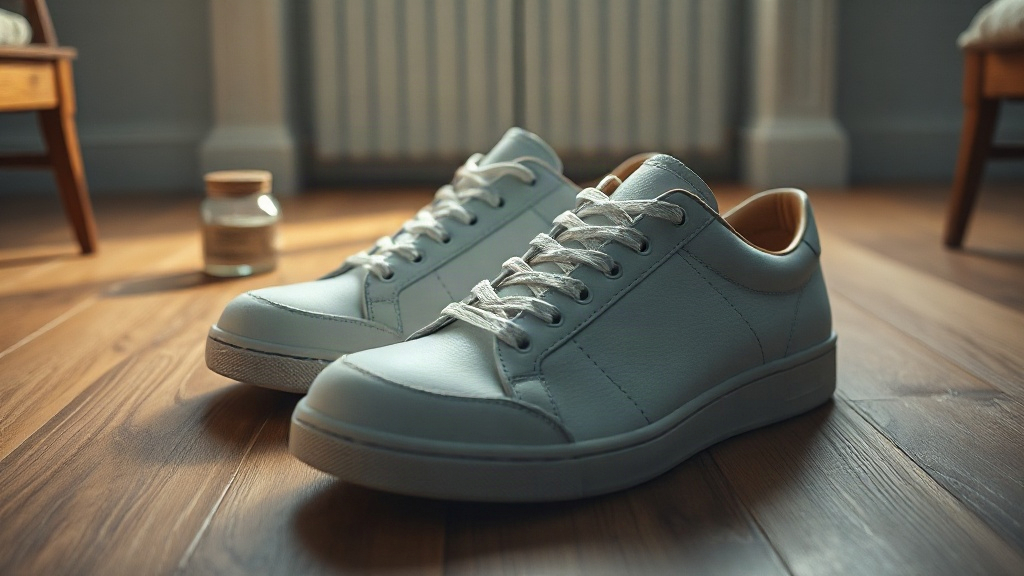
A zipped gym bag is not storage—it is a warm, wet, airtight box. Everything about that distinctive, overwhelming smell follows directly from this fundamental misunderstanding.
The shoes themselves carry bacteria from your feet, which feed on sweat. In open air, these microbes produce relatively mild odours. But seal them inside a bag with the moisture and warmth from your workout, and they shift into a different metabolic mode. This anaerobic process generates sulphur compounds that accumulate in the confined space, creating a stench far worse than you’d ever notice from shoes left out to dry.
Why the bag amplifies the problem
Leaving trainers in a gym bag after exercise creates a perfect breeding ground. The warmth from your body heat is trapped, and the sweat moisture cannot evaporate. Unlike placing them on a windowsill where air circulation would dry them in hours, the sealed environment maintains the dampness.
Without fresh oxygen, certain bacteria thrive. They multiply more rapidly than they would in the open. The bag effectively becomes an incubator, accelerating the biological processes that cause the odour. Each time you zip up damp shoes, you reinforce this cycle, allowing the smell to build up over successive uses.
The chemistry behind the stench
To understand why the bag smell is so potent, we need to look at what happens at a microscopic level. Bacteria on your feet consume compounds in sweat. In an oxygen-rich environment, their waste products are less offensive. However, inside the oxygen-depleted bag, they switch to anaerobic metabolism.
This shift results in the production of volatile sulphur compounds. Methanethiol, which has a characteristic rotting cabbage odour, is a key culprit. The confined space of the bag allows these pungent molecules to concentrate, so when you open it, you get a powerful blast of accumulated waste gas. It’s not that the shoes are dirtier; it’s that the conditions have chemically altered the output of the bacteria living on them.
Solving the problem at its source
Many people reach for scented sprays, but these only mask the odour temporarily. The perfume fades, and the underlying problem remains. A more effective approach targets the root cause: the bacteria and their waste products.
Enzyme-based cleaners work differently. They use biological agents to break down the organic matter that causes the smell. Instead of covering it up, they digest it. This means the odour is removed rather than hidden, providing a longer-lasting solution. Look for a product designed for this specific purpose, which will be safe for use on bags and footwear.
The process isn’t complicated, but it requires patience. Empty the bag completely. Spray the interior thoroughly with the enzyme cleaner, ensuring good coverage on all surfaces. It’s crucial to let the product sit for the recommended contact time—typically five to ten minutes—to allow the enzymes to work. Wipe down the interior and leave the bag open to air dry completely before using it again.
For the trainers, avoid soaking them, especially if they are suede or leather, as this can damage the materials. Use a soft brush or a suede eraser to clean the exterior. Remove insoles if possible and treat them separately, as they are often a major source of persistent odours. The most important habit to develop is ensuring your trainers are completely dry before placing them in the bag. Even ten minutes of airing can significantly reduce moisture.
Your questions answered
Can I machine wash my trainers to fix the smell?
It depends on the material. For trainers made entirely of textile or mesh, machine washing might be an option, but you must check the manufacturer’s care label first. For suede or leather trainers, or those with these materials as panels, machine washing is likely to cause damage, warping, or glue failure. A targeted clean with a brush and appropriate cleaner is the safer approach.
If I clean everything, will the smell return quickly?
It will if you only treat the shoes and not the bag. Putting clean trainers back into a contaminated, damp environment simply re-starts the cycle. You must address both the shoes and the bag interior to break the chain of reinfection. Consistently allowing the bag to air out when not in use is also key to prevention.
Are enzyme cleaners safe for my gym kit?
A reputable enzyme cleaner formulated for this use should be non-toxic and safe for surfaces that contact skin or clothing. Always follow the product’s specific instructions regarding application and ventilation to ensure safe and effective use.
Maintaining a fresh bag
The goal is to break the cycle that allows bacteria to thrive. After each gym session, make it a routine to empty the bag and let it air out. If possible, leave it unzipped overnight. Most importantly, never pack away damp trainers. These simple steps prevent the warm, moist, sealed conditions that cause the problem in the first place.
Dealing with the root cause rather than the symptom means the bag stays fresher for longer. Prevention is more effective than repeated cleaning.
Get the Free Suede & Leather Care Checklist — practical steps to keep your footwear and gear in better condition without unnecessary products.
For more on trainer care
While this guide focuses on the bag environment, the shoes themselves need care. Our detailed guide Why Do Trainers Smell So Bad — And What Actually Gets Rid Of It? covers cleaning methods for different materials. The bag lining typically needs treating with every clean, while the shoes themselves might follow a different maintenance schedule depending on their construction.
References
This article provides general guidance. For specific product or health concerns, consult the manufacturer or a qualified professional.