Why Do Trainers Smell So Bad — And What Actually Gets Rid Of It?
- Sweat volume: Feet can produce over 250ml of sweat per day, creating a damp environment inside trainers.
- Bacterial species: Brevibacterium bacteria, common on human skin, thrive in this environment.
- Material porosity: Trainer linings and insoles are designed to absorb moisture, trapping it against the foot.
These three factors combine to create the ideal breeding ground for odour-causing bacteria, explaining why trainers develop that distinctive smell.
As an Amazon Associate we earn from qualifying purchases. Some links on this page are affiliate links, which means we may earn a small commission if you make a purchase.
That unpleasant pong when you take off your trainers isn’t dirt or even sweat itself—it’s the result of bacterial activity. According to Nike, Brevibacterium bacteria living on skin feed on sweat and dead skin cells deposited inside footwear. Their waste product is isovaleric acid, the same compound responsible for the smell of certain cheeses.
Most odour solutions fail because they treat smell as a dirt or fragrance problem rather than a bacterial one. Understanding this distinction transforms the fix from guesswork into a straightforward process.
Why Bacteria Thrive in Trainers
The enclosed, warm, and moist environment inside trainers provides perfect conditions for bacteria to multiply. While Brevibacterium is a normal part of skin flora, inside footwear it finds an endless food supply and ideal breeding temperatures.
These bacteria digest compounds in sweat and dead skin, producing isovaleric acid as waste—the source of the smell. Trainer linings and insoles trap warmth and moisture with each wear, allowing bacterial populations to build up over days or weeks before odour becomes noticeable.
Heat sensitivity is key to solving the problem. While high temperatures can kill bacteria, most trainers—particularly suede and leather—cannot withstand the heat required without damage. A standard 40°C machine wash may leave trainers smelling temporarily clean but won’t eliminate bacteria deep in the insole, allowing odour to return quickly.
Even thorough foot washing with antibacterial soap provides limited protection since it doesn’t address bacteria already established in the trainer lining. Effective odour control requires addressing both bacterial populations and the environment that supports them.
Addressing Both Ends of the Problem
Successful odour prevention involves simultaneous attention to foot hygiene and footwear care. These four approaches consistently deliver results:
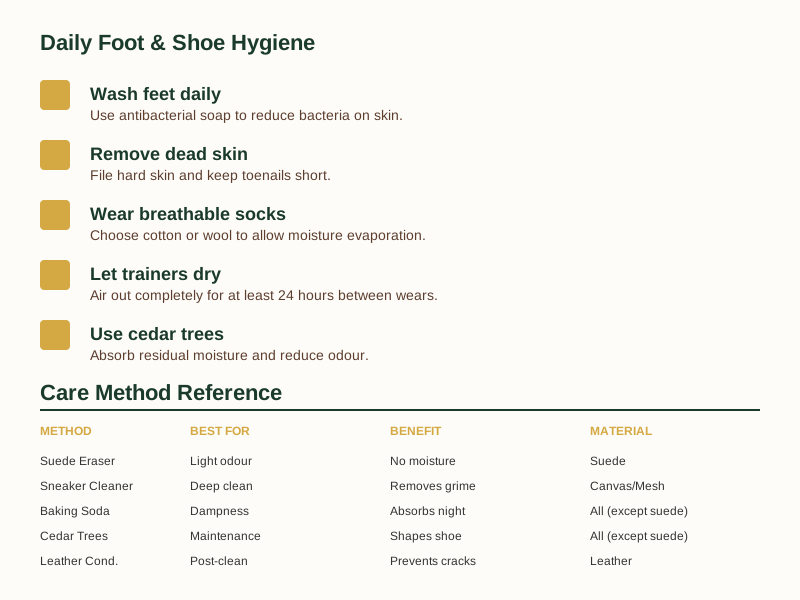
- Daily foot washing with antibacterial soap reduces bacterial transfer from skin to trainer, breaking the cycle at its source.
- Regular removal of dead skin with a foot file and keeping toenails short reduces the food source available to bacteria inside the trainer.
- Breathable socks made from natural fibres like cotton or wool allow moisture evaporation better than many synthetic alternatives.
- Complete drying between wears is essential—bacteria require moisture to multiply. Allowing at least 24 hours for thorough drying significantly slows bacterial regrowth.
Cedar shoe trees offer practical benefits beyond maintaining shape—they absorb residual moisture from insoles and provide mild odour control through natural cedar properties.
For those wanting a simple reference, the Free Suede & Leather Care Checklist covers these steps in an easy-to-follow format.
When Basic Care Isn’t Enough
Established odour requires more than simple airing out. The appropriate cleaning method depends on odour severity and trainer materials.
Light surface odour on suede trainers may respond well to a suede eraser, which lifts grime without introducing moisture. Brush away residue afterwards for quick maintenance between deeper cleans.
Moderate odour typically requires a dedicated sneaker cleaner. The Jason Markk Essential Kit (paid link) is a two-piece cleaner and brush. The Crep Protect Sneaker Cleaner Kit (paid link) is a brush, solution and cloth — a cleaner kit, not the Crep Protect waterproofing spray. Both lift dirt from canvas and mesh. On suede, use less liquid and don’t soak the nap.
See Jason Markk Essential Kit on Amazon → (paid link)
Check Crep Protect Sneaker Cleaner Kit price → (paid link)
Stubborn odour that persists after cleaning may respond to baking soda sprinkled inside trainers overnight to absorb moisture from the lining. Vacuum out powder the next morning. This approach manages bacterial conditions rather than killing bacteria directly, making it a supplementary step rather than a complete solution.
According to House Digest, UV shoe deodorisers use ultraviolet light to damage bacterial DNA, proving particularly effective on insoles. When odour persists despite these measures, the insole itself may be the source—replacement then becomes a practical solution.
Mistakes That Worsen Odour Problems
Machine washing remains the most common mistake with expensive trainers. The heat, agitation, and prolonged moisture can damage glue, shrink materials, and warp structure. Damaged materials often become more hospitable to bacteria, potentially worsening odour problems over time.
Using inappropriate cleaners represents another frequent error. Heavy-duty products designed for canvas or rubber can damage suede nap or remove dye from coloured leather. Always check trainer materials before cleaning and test products on inconspicuous areas first.
Neglecting leather conditioning after cleaning leather trainers leads to cracking and stiffness, creating surfaces that trap odour. Restoring moisture after cleaning is essential for leather maintenance.
Masking odour with fragrance sprays provides temporary relief at best. These cover smells without addressing bacteria or moisture, resulting in recurring odour as fragrance fades.
Common Questions Answered
Can machine washing damage my trainers?
Manufacturer guidelines should always dictate cleaning methods. Most suede and leather trainers require hand cleaning—machine washing often causes more problems than it solves for these materials.
How effective is baking soda?
Baking soda absorbs moisture to inhibit bacterial regrowth but doesn’t kill bacteria directly. It works best as part of a comprehensive approach rather than a standalone solution.
What’s the ideal cleaning frequency?
Light cleaning every few wears prevents odour establishment. Deeper cleaning every few months, or when odour becomes noticeable, maintains freshness without excessive wear.
Do cedar shoe trees make a difference?
They significantly help by absorbing moisture and reducing bacterial breeding conditions, especially when combined with trainer rotation and proper drying time.
Finding Your Next Step
Effective odour control follows a logical path once you understand the bacterial nature of the problem. If the smell returns within 24 hours of cleaning, the issue is likely residual moisture—consider better drying methods or cedar shoe trees. If odour persists after enzyme-based treatments, the problem may be deeper bacterial colonisation requiring UV treatment or insole replacement.
For those wanting to maintain all their footwear properly, the Free Suede & Leather Care Checklist provides a straightforward reference.
Related Reading
- Why Do Trainers Smell So Bad: Questions Answered
- Does Freezing Your Trainers Actually Kill the Smell, or Is It a Myth?
- Baking Soda in Trainers: How Much, How Long, and Does It Really Work?
- Shoe Trees, Deodoriser Spray or UV Sanitiser: What Actually Stops the Smell Coming Back
- Why Do My Trainers Smell Again a Day After Washing Them?
Related Guides
- How to Wash Trainers in the Washing Machine Without Ruining Them
- Why Do Trainers Smell Worse in Gym Bags Than Anywhere Else?
- Vinegar, Dryer Sheets or Charcoal Bags: Which Smelly-Shoe Hack Actually Works
Sources & Further Reading
As an Amazon Associate we earn from qualifying purchases. The products linked above are ones we recommend based on independent research and owner feedback.
Note: General guidance only, verify details with a qualified professional or official source.