Why Do My Trainers Smell Again a Day After Washing Them?
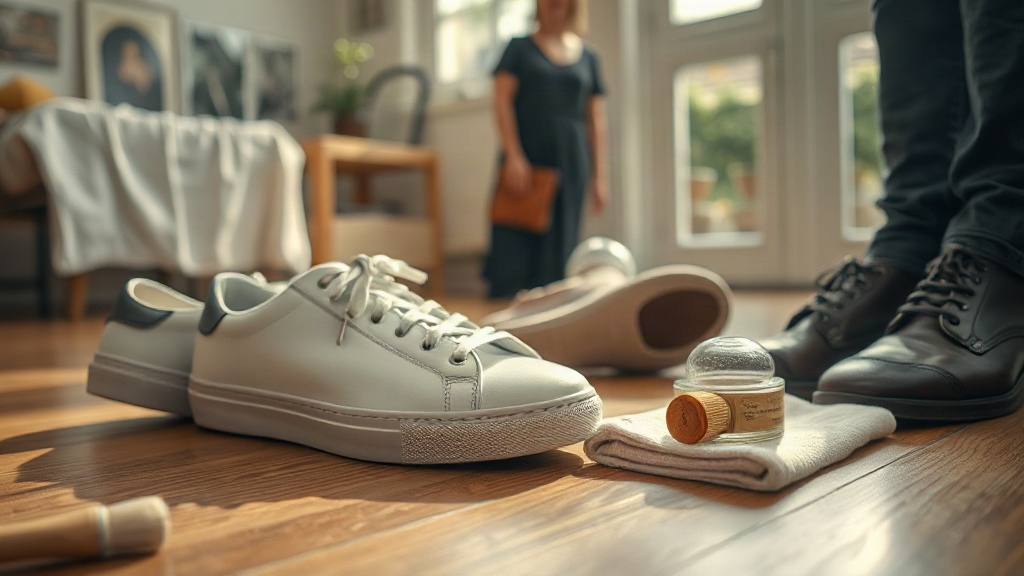
The surface of your trainers feels dry a couple of hours after washing. By evening, the lining still holds dampness you can’t feel from the outside. Overnight, bacteria recolonise that hidden moisture, and the next day the smell returns. This happens because trainers are built to absorb impact, not to dry quickly.
Washing removes the bacteria and odour compounds, but it doesn’t solve the structural problem: moisture trapped deep inside the foam midsole and lining. When you wear the shoes again, your foot’s warmth reactivates that damp environment.
Here’s how to break the cycle for good.
Bacteria: The Real Source of the Smell
Sweat itself is odourless. The problem starts when bacteria that naturally live on skin break down sweat and dead skin cells inside your trainers. According to the NHS, smelly feet are a common issue caused by these bacteria, particularly when feet get warm and damp—the exact environment inside a worn trainer.
This isn’t about dirt. Even new footwear develops odour quickly because the bacteria come from your feet. Nike’s guidance on removing shoe smell emphasises that moisture allows bacteria to thrive. Dry conditions starve them.
Washing cleans the surface but can’t reach moisture trapped deep in the shoe’s construction.
Why Moisture Gets Trapped
Most cleaning guides miss a critical point: the materials inside trainers are designed to absorb and retain. The foam midsole and textile lining can stay damp long after the outer fabric feels dry to the touch.
You might check the upper material and think the shoe is ready to wear, but underneath, residual moisture remains. When you put the trainers back on, your body heat draws that dampness back towards the surface, creating ideal conditions for bacterial regrowth overnight.
This creates the frustrating pattern of smell returning within a day. The wash wasn’t pointless—it removed existing bacteria—but it couldn’t prevent regrowth from hidden dampness.
Break the Cycle with a Second Pair
The most effective solution is structural: don’t wear the same pair two days in a row. The NHS explicitly advises against wearing the same shoes consecutively to allow them to dry out properly. Rotating between two pairs gives each one at least 24 hours to dry thoroughly between uses.
This approach addresses the root cause—moisture accumulation—rather than just treating the symptom. For daily wear, a second pair isn’t a luxury but a practical fix that extends the life of both pairs.
If you have excessively sweaty feet (hyperhidrosis), the NHS also recommends changing socks at least twice a day to reduce moisture transfer into the shoes.
Effective Drying Techniques
After washing, proper drying is essential:
- Remove insoles immediately. They absorb significant moisture and dry much faster when separated from the shoe.
- Use absorbent materials inside. Crumpled newspaper draws out dampness effectively. Shoe trees can help maintain shape while aiding drying.
- Choose air drying over heat. While some sources like Nike suggest brief periods in direct sunlight, extended heat exposure can damage adhesives and materials. A well-ventilated room is generally safer.
- Baking soda can help with odour. Nike’s guidance mentions leaving baking soda in shoes overnight to absorb smells, but this is temporary if moisture remains.
The temptation to use radiators for quick drying risks damaging shoe construction. Proper air drying takes longer but preserves your trainers.
Common Questions Answered
Can trainers go in the washing machine?
Check the care label first. If permitted, use a cold cycle and remove laces and insoles beforehand. Always air dry separately—never use a tumble dryer.
Do antibacterial socks help?
They can reduce bacterial transfer from feet to shoes, but they don’t address existing moisture trapped in the shoe structure. They’re supplementary, not a solution.
Why do new trainers sometimes smell?
This is typically from volatile compounds in adhesives and materials, not bacterial growth. The chemical smell usually dissipates after a few wears.
Making Your Next Wash Different
To prevent the smell returning after your next wash, make two key adjustments: run an extra spin cycle to remove more water before drying begins, and start the drying process immediately rather than leaving damp trainers sitting for hours. These simple changes to your washing routine significantly reduce the moisture that causes odour recurrence.
For comprehensive odour management strategies, see our complete guide: Why Do Trainers Smell So Bad — And What Actually Gets Rid Of It? .
Now you understand the moisture cycle—Get the Free Suede & Leather Care Checklist to maintain all your footwear properly.
References
General guidance only, verify details with a qualified professional or official source.