How to Clean White Trainers Without Turning Them Grey or Yellow
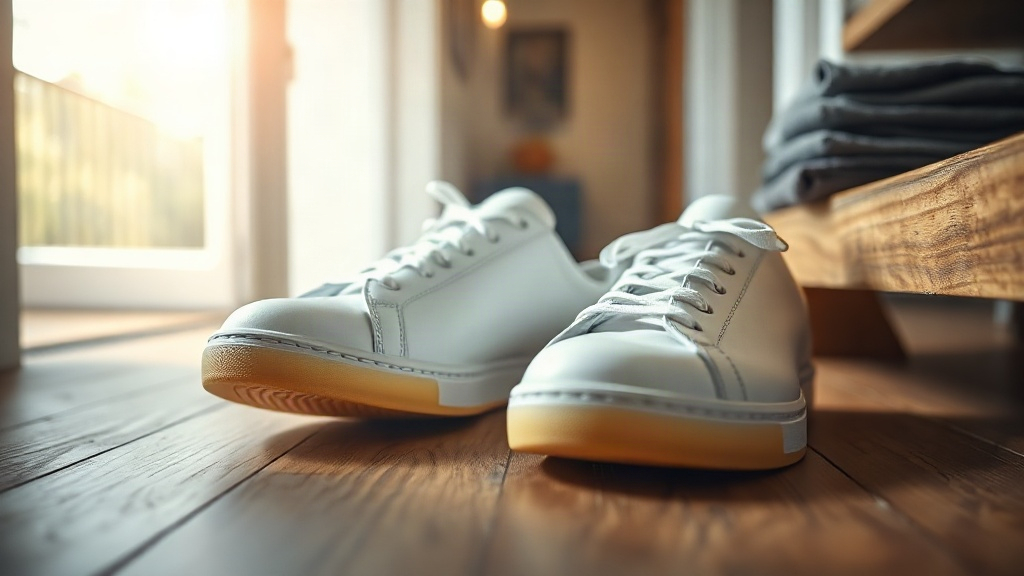
A proper hand-clean for white trainers takes about 40 minutes of active work spread across two days, most of it waiting for drying. The method restores brightness without accelerating the chemical yellowing that machine-washing causes.
The frustration goes beyond appearance. Those yellowed midsoles signal a process that, once established, becomes difficult to reverse. Common cleaning mistakes don’t just fail—they actively make the problem worse.
The Chemistry of Yellowing
Yellowing in white trainers is a chemical reaction, not just dirt accumulation. The primary cause is oxidation, where oxygen interacts with rubber, foam and adhesives in the midsole, triggering a colour shift that starts subtle and becomes entrenched, as explained by sneaker care sources.
Heat and sunlight significantly accelerate this reaction. Leaving trainers in direct sunlight to dry, or using hot water, fast-tracks the yellowing process. While adhesives used in construction are vulnerable to discolouration, midsoles and translucent soles made from EVA foam are particularly exposed due to their porous structure reacting with oxygen and UV light.
Understanding this mechanism helps avoid accelerating it. The cleaning goal isn’t just dirt removal—it’s preventing the chemical process that turns white amber.
Why Machine-Washing Fails
The washing machine’s appeal is understandable: it’s quick and seems effective short-term. However, it introduces uncontrolled heat and mechanical agitation that white trainers cannot tolerate.
Heat accelerates oxidation—the exact opposite of what’s needed. Agitation stresses glue lines, weakening bonds over time and potentially causing midsoles to separate. That slight wobble after machine washes? That’s adhesive degrading.
Prolonged moisture saturation works into foam, adhesive layers and materials like leather or suede, increasing cracking, delamination and dye transfer risks. The result is trainers that look faded rather than clean—surface brightness masking compromised material underneath.
Wet trainers tumbling in a spin cycle also distort shape. The upper warps, the toe box softens and reforms incorrectly. Machine-washing treats trainers as fabric items when they’re composite materials with specific vulnerabilities.
Hand-Cleaning Method
Hand-cleaning provides control over moisture, pressure and chemical exposure. It doesn’t require expensive products, though a dedicated sneaker cleaning kit containing the right brush, microfiber cloths and pH-balanced solution is worthwhile for regular maintenance.
What you need:
- Soft-bristled brush (an old toothbrush works if genuinely soft)
- White microfiber cloth or towel
- Bowl of warm water with gentle cleaning solution (mild dish soap or sneaker cleaner)
- Paper towels for stuffing during drying
The process:
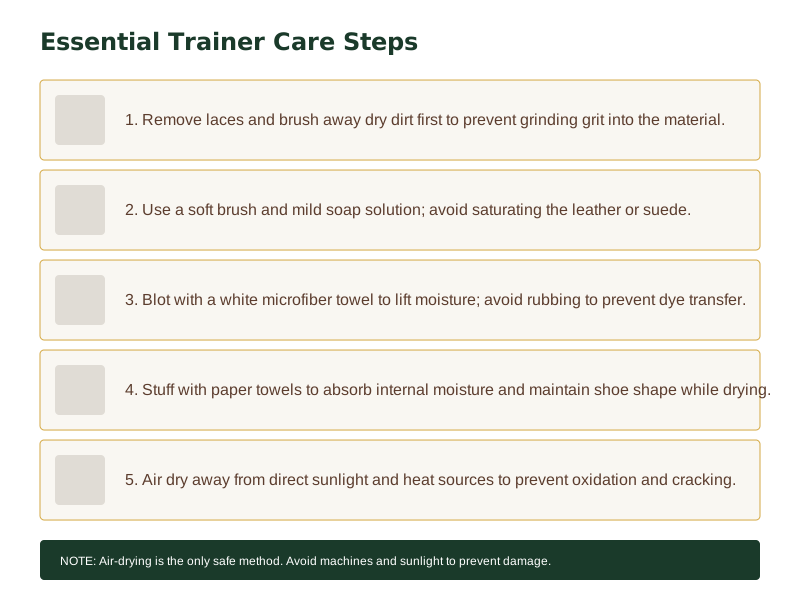
Remove laces first, cleaning them separately in soapy water. Brush off dry dirt while surfaces are still dry to prevent rubbing grit into material during wet cleaning.
Dip your brush into cleaning solution and work up light lather. Gently scrub upper, midsole and stained areas using circular motions, focusing on ground-contact zones without pressing hard. The goal is agitation, not abrasion.
Here’s the critical step many guides omit: blot immediately with a white microfiber towel. Don’t rub. Wet porous materials absorb loose dye from coloured fabrics. A plain white microfiber towel has no dye to shed and absorbs moisture efficiently without abrasion—this separates clean results from grey results.
After blotting, stuff trainers loosely with paper towels to maintain shape during drying. Air-dry at room temperature, never in direct sunlight or near radiators. Overnight drying is typical.
Material Considerations
White trainers often feature mixed materials, each requiring different care approaches.
Leather accents: After cleaning and full drying, leather needs conditioning to prevent drying and cracking—more visible on white trainers than darker ones. A small amount of leather conditioner maintains suppleness.
Suede: Water and suede don’t mix well—wet suede stiffens and changes texture. Use a suede brush for surface dirt and suede eraser for marks. For deeper cleaning, use suede-specific cleaner sparingly, stuffing with paper towels immediately after. Never submerge suede.
The common error is using wrong cleaners on wrong materials—leather cleaner on suede saturates and damages nap, while all-purpose cleaners may be too harsh for leather. Treat each surface appropriately.
For complete suede guidance, see our How to Clean Suede Trainers at Home Without Ruining Them .
Drying and Storage Protocol
Proper drying and storage determine whether trainers stay white or yellow again within weeks.
Heat remains the enemy. Direct sunlight, radiators and heated floors all accelerate midsole foam oxidation. Air-drying at room temperature is the only method that doesn’t push yellowing forward.
Stuffing trainers during drying absorbs internal moisture and maintains shape. Paper towels work better than newspaper for cleanliness. Replace them once or twice if trainers were heavily saturated.
For regular maintenance, cedar shoe trees absorb moisture, reduce odour and maintain structure, as commonly recommended by shoe-care sources. They’re particularly useful for daily-worn trainers where internal moisture builds up.
Store white trainers away from direct light when not worn. A shoebox in a cupboard beats an open shelf in a sunny room—a small habit change that extends time between cleans.
Method Comparison
When comparing cleaning methods, it’s clear that hand-cleaning offers low, controlled heat exposure and gentle agitation, making it ideal for regular maintenance and material preservation. In contrast, machine-washing involves high, uncontrolled heat and aggressive tumbling, which is suitable for fabric items but should be avoided for trainers. Air-drying involves no heat or agitation and is essential for preventing oxidation and yellowing. Crucially, drying in direct sunlight should be avoided as it involves extreme heat and significantly accelerates oxidation. For surface dirt on suede panels, suede brushing with no heat and low agitation is effective, while a magic eraser can be used for surface scuffs and light discolouration with no heat and low agitation. Finally, leather conditioning after cleaning involves no heat or agitation and is necessary for maintaining leather suppleness.
Common Questions
Can I use bleach to clean white trainers?
No. Bleach is harsh and can damage upper material, degrade midsole foam and cause localised discolouration, particularly on leather and synthetic coatings, as multiple shoe-care guides warn. It lightens surfaces but doesn’t address deeper oxidation, risking permanent structural damage. Use mild detergent or dedicated sneaker cleaner instead.
How often should I clean my white trainers?
Frequency depends on wear patterns and conditions. A general maintenance suggestion is to clean whenever they look visibly dull or dirty. Little and often beats occasional deep cleans. Brush off dry dirt after each wear and clean before grime builds up significantly.
Will a magic eraser remove yellowing?
Magic erasers can address surface scuffs and light discolouration on rubber soles and midsoles, but they won’t reverse deep oxidation within foam. Consider them maintenance tools rather than solutions for established yellowing. Prevention through correct cleaning and drying proves more effective than cure for already-yellowed trainers.
Two cleaning passes is the maximum before scrubbing starts abrading surfaces and attracting dirt faster. Amber that survives two passes is in the material rather than on it. Hand-cleaning with soft brush, blotting with white microfiber towel and air-drying at room temperature preserves white trainers effectively.
If you’ve wondered why trainers keep yellowing despite cleaning, the method likely needs adjustment. Switching to hand-cleaning shows difference within weeks.
Now you know what works—get the free suede and leather care checklist to maintain footwear properly.
General guidance only, verify details with a qualified professional or official source.