How to Clean Suede Trainers at Home Without Ruining Them
As an Amazon Associate we earn from qualifying purchases. Some links on this page are affiliate links, which means we may earn a small commission if you make a purchase.
Before any liquid touches your suede trainers, confirm they are bone dry, then brush the nap in one direction. This guide delivers the exact sequence to lift dirt without driving it deeper, protecting your trainers from the most frequent cleaning errors.
Suede isn’t ruined by dirt; it’s ruined by cleaning it wrong. Submerging it swells the fibres, warps the shape, and mats the nap down in a way that doesn’t recover. Almost every mark can be sorted with a brush, a cloth, and the right order of steps.
Why Suede Reacts Badly to Water and Machines
Suede’s soft, velvety feel comes from raised fibres on the surface of the leather. These fibres trap dirt and absorb liquid easily. Unlike smooth leather or canvas, water soaks right in and gets held there.
Submerging suede—even briefly—risks warping the shape, stripping colour unevenly, and causing the fibres to mat. Once matted, they don’t spring back. Nike’s care guidance is explicit: suede is sensitive and needs a different approach. Jones Bootmaker and FitFlop advise against washing machines and soaking, stating these methods can cause permanent damage.
A frequent error is wiping suede with a damp cloth to “freshen it up.” This often spreads surface marks deeper into the fibres, making them more visible.
Start with a Dry Brush
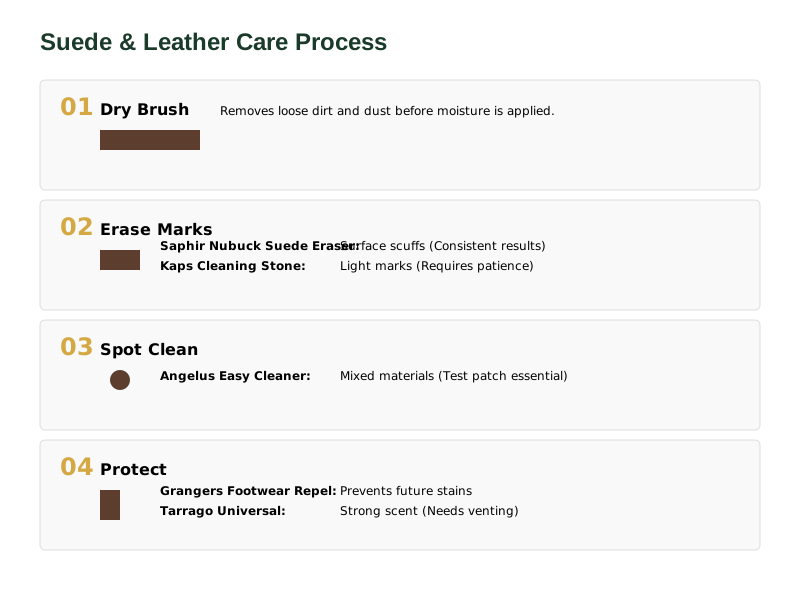
This is the step most people get backwards. Before considering cleaner, brush the shoe thoroughly while it’s completely dry. The goal is to lift loose dirt sitting on the nap before moisture drives it deeper.
- Let any mud dry completely. Brushing wet mud pushes it further in.
- Use a suede brush (a soft-bristled toothbrush works) and brush in one direction, following the grain of the nap. Use short, controlled strokes.
- The bristles lift dirt out. If nothing comes up, the dirt was surface-level and the job is done.
Skipping this step is a known pitfall that can set stains deeper.
Using Suede Erasers and Cleaners
For marks that brushing can’t shift, a suede eraser is the next step. They work on dry marks only—never on wet suede.
- Saphir Nubuck Suede Eraser (paid link): Effective for removing surface scuffs and light marks. It’s gentle and consistent.
See Saphir Nubuck Suede Eraser on Amazon → (paid link)
- Kaps Cleaning Stone (paid link): An option for lighter marks. It may require a few attempts for some marks.
See Kaps Cleaning Stone on Amazon → (paid link)
If a liquid cleaner is needed, work on the smallest area possible.
- Angelus Easy Cleaner (paid link): A cleaner suitable for mixed-material trainers. Test on a hidden area first, as it may affect the colour of white suede.
View Angelus Easy Cleaner on Amazon → (paid link)
- Method: Apply cleaner to a cloth, not directly to the shoe. Dab the mark gently—don’t scrub. Blot any excess immediately with a clean, dry cloth. Let it dry fully before brushing to restore the nap.
Applying a Protective Spray
Once your trainers are completely clean and dry, apply a suede protector spray. This helps repel future marks, making them easier to brush off later.
- Grangers Footwear Repel Plus (paid link) & Tarrago Universal Protector (paid link): Both are spray-on protectors for footwear that is already clean and dry.
Check Tarrago Universal Protector price → (paid link)
See Grangers Footwear Repel Plus on Amazon → (paid link)
- Note on Tarrago: It has a strong smell when first sprayed—use a well-ventilated room. The suede can look slightly darker immediately after application, which usually lightens as it dries.
Skipping protection can mean stains set in again quickly.
The Right Way to Dry Suede
Drying is critical. Direct heat will shrink and warp the material.
- Stuff the toe of each trainer with newspaper to absorb moisture and maintain shape.
- Swap the newspaper every few hours if it becomes saturated.
- Leave them in a place with good airflow, or use a fan nearby.
- Avoid radiators, hairdryers, or tumble dryers entirely.
FitFlop’s care guidance specifically recommends stuffing with newspaper and air drying, a low-risk approach.
Suede Cleaning Product Comparison
| Product | Type | Best For | Note |
|---|---|---|---|
| Saphir Nubuck Suede Eraser (paid link) | Eraser | Surface scuffs | Consistent results |
| Kaps Cleaning Stone (paid link) | Eraser | Light marks | Requires patience |
| Angelus Easy Cleaner (paid link) | Liquid | Mixed materials | Test patch essential |
| Grangers Footwear Repel Plus (paid link) | Spray, 275 ml | Protection | Prevents future stains |
| Tarrago Universal Protector (paid link) | Spray, 100 ml | Protection | Strong scent, needs venting |
Addressing Common Concerns
Can I clean suede trainers in the washing machine? No. This method can permanently warp, discolour, and damage the fibres. The results are not reversible.
How do I fix yellowing on white suede trainers? Yellowing can be due to oxidation or old cleaner residue. A suede eraser might lift it. A small amount of white vinegar applied to a cloth is a known home remedy, but test on a hidden area first, as vinegar can affect colour.
What can I use if I don’t have a suede brush? A soft toothbrush works for light brushing. A clean pencil eraser can handle very light marks. Avoid wet or soapy methods without the proper tools.
Recognising a Successful Clean
A correctly cleaned suede trainer will have its nap lying uniformly in one direction, with no tide marks and an even colour. This is your signal that the process is complete. The order of steps matters more than the specific products used.
Get the Free Suede & Leather Care Checklist
As an Amazon Associate we earn from qualifying purchases. The products linked above are ones we recommend based on independent research and owner feedback.
Note: This guidance is for informational purposes only. Always verify specific care details with the manufacturer of your footwear or a qualified professional.
Sources & Further Reading
- Nike Care Instructions
- Jones Bootmaker — shoe care guidance
- FitFlop — care instructions
Explore More Topics
Quick answers:
Go deeper on specific topics:
- Can You Use Household Items to Clean Suede, or Will It Ruin Them?
- Suede Protector Spray: Does It Actually Work, or Is It Marketing?
- How to Clean White Trainers Without Turning Them Grey or Yellow
- Suede Eraser vs Suede Brush: Which One for Which Mark
- How to Remove Salt Stains from Suede and Leather Shoes (UK Winter)
- Can Suede Trainers Get Wet, or Do You Need to Avoid Rain Altogether?
- How to Get Rid of Scuff Marks on Suede Without a Proper Eraser
- Nubuck vs Suede: Does It Need Different Cleaning, or Is It the Same Thing?