Baking Soda in Trainers: How Much, How Long, and Does It Really Work?
Most guides say leave baking soda in trainers overnight. The actual effective window is shorter, and the quantity matters more than the duration. Getting these two factors wrong is why many people end up with trainers that smell worse than before.
The difference between success and failure comes down to understanding both the chemistry and the cleanup. This guide covers the exact measurements, timing, and the crucial vacuum step most people skip.
The Science Behind Trainer Odour and Baking Soda
Trainer smell doesn’t come from sweat itself, which is mostly odourless water and salt. The real culprit is bacteria that thrive in the warm, moist environment inside your footwear. These microorganisms break down sweat, producing volatile compounds that create the characteristic unpleasant odour.
Baking soda can help absorb and neutralise these odour compounds. Unlike scented powders that merely mask smells, it works to chemically reduce the problem at source. However, this process requires proper application and, most importantly, complete removal of the powder afterwards.
Two Approaches for Different Problems
Depending on your trainers’ condition, you’ll need one of two methods:
Odour treatment only: Mix baking soda with a small amount of water to create a thin paste. This works well for trainers that are clean but have developed a persistent stale smell.
Stain and odour treatment: Add hydrogen peroxide to the mixture. The peroxide acts as a mild bleaching agent that can lift discolouration from white canvas and light-coloured leather uppers.
Use the peroxide method when dealing with yellowing or scuff marks alongside odour issues. For heavily soiled trainers with ground-in dirt, neither method is appropriate—you’ll need to remove debris with brushing first.
Practical Application: Quantity, Timing and Cleanup
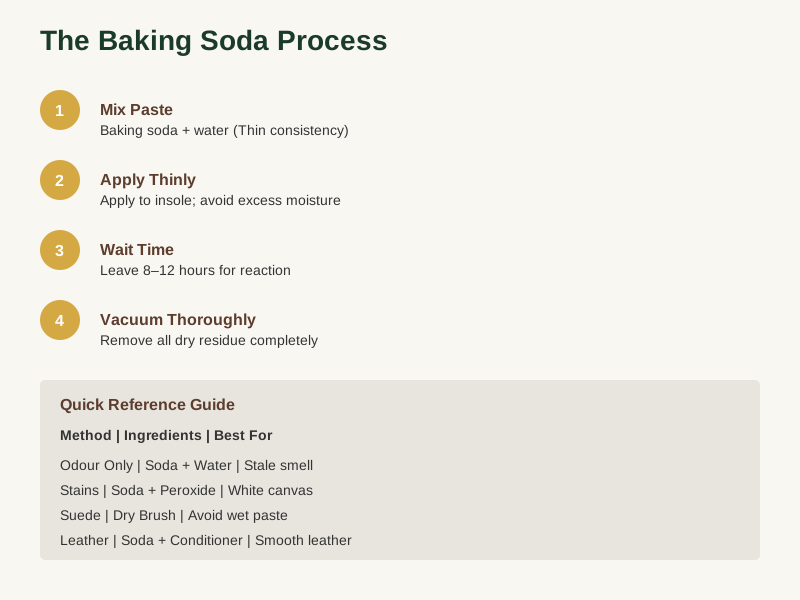
Quantity: For the peroxide method, use approximately one tablespoon of baking soda per half tablespoon of hydrogen peroxide. For water-only mixtures, use double the water relative to baking soda to achieve a thin, spreadable paste.
Timing: Eight to twelve hours is sufficient for the chemical reaction to occur. Overnight treatment works perfectly. Leaving baking soda in for days can cause problems as residual powder absorbs ambient moisture.
The missing step: Vacuum thoroughly after treatment. Baking soda residue left inside trainers can create a new musty odour as it breaks down. Use your vacuum’s hose attachment to remove every grain from the insole, footbed and fabric lining. Turn the trainers upside down and ensure no visible powder remains before wearing.
It is important to avoid putting trainers in the washing machine, as the agitation can damage adhesives and deform cushioning materials. Spot cleaning with baking soda paste is safer and more targeted for odour control. This treatment should only be used when necessary. For regularly worn trainers, once every few weeks is sufficient, as overuse, particularly on leather, can accelerate material deterioration. When using the peroxide method, don’t extend treatment beyond 12 hours, as prolonged exposure may affect some white leather finishes; proper removal prevents any potential discolouration.
Complete process checklist:
- Mix paste to appropriate consistency
- Apply thinly to interior surfaces
- Leave for 8-12 hours
- Vacuum out all residue
- Brush with dry cloth if any powder remains
This cleanup step is essential—it’s what separates effective odour treatment from creating new problems.
Now you know the correct approach—get the Free Suede & Leather Care Checklist for maintaining your entire footwear collection.
Material Considerations: Suede and Leather Warnings
Baking soda’s abrasive nature makes it unsuitable for suede trainers. The fine powder can damage the delicate nap, potentially leaving permanent flat patches. For suede, stick to dry brushing or specialised suede cleaners.
On smooth leather uppers, small amounts of baking soda are generally safe, but follow with a leather conditioner. The alkaline nature of baking soda can dry out leather over time, so conditioning helps maintain the material’s integrity.
For detailed guidance on specific materials, our suede care and leather care guides provide comprehensive information.
Treatment Methods Compared
| Method | Ingredients | Best For | Key Consideration |
|---|---|---|---|
| Odour Control | Baking soda + water | Clean trainers with smell | Thin paste application |
| Stain Removal | Baking soda + peroxide + water | Discoloured white trainers | Limited to 12 hours maximum |
| Heavy Soiling | Brushing only | Dirt-covered trainers | Clean before treatment |
| Suede Care | Specialised cleaner | Suede materials | Avoid abrasive substances |
| Leather Maintenance | Baking soda + conditioner | Smooth leather | Always condition afterwards |
Note: Always test any cleaning method on a small, inconspicuous area first.
What Baking Soda Can’t Fix
While baking soda effectively neutralises surface odours, it cannot address bacterial colonies deeply embedded in trainer foam. The powder works on chemical compounds but doesn’t eliminate the source microorganisms living within the material.
When baking soda treatment fails to resolve persistent odours, the problem likely lies deeper in the foam structure. In these cases, specialised antibacterial treatments or replacement may be necessary. For a comprehensive approach to trainer odour problems, our main guide covers all available solutions.
Next Steps for Persistent Odours
Why Do Trainers Smell So Bad — And What Actually Gets Rid Of It? provides complete information on tackling deeper odour issues beyond what baking soda can address.
Reference Information
- NHS — general foot hygiene guidance
Note: The information provided above is for general guidance only. Always verify specific cleaning methods with a qualified professional or the manufacturer of your footwear.